
‘This saving grace’
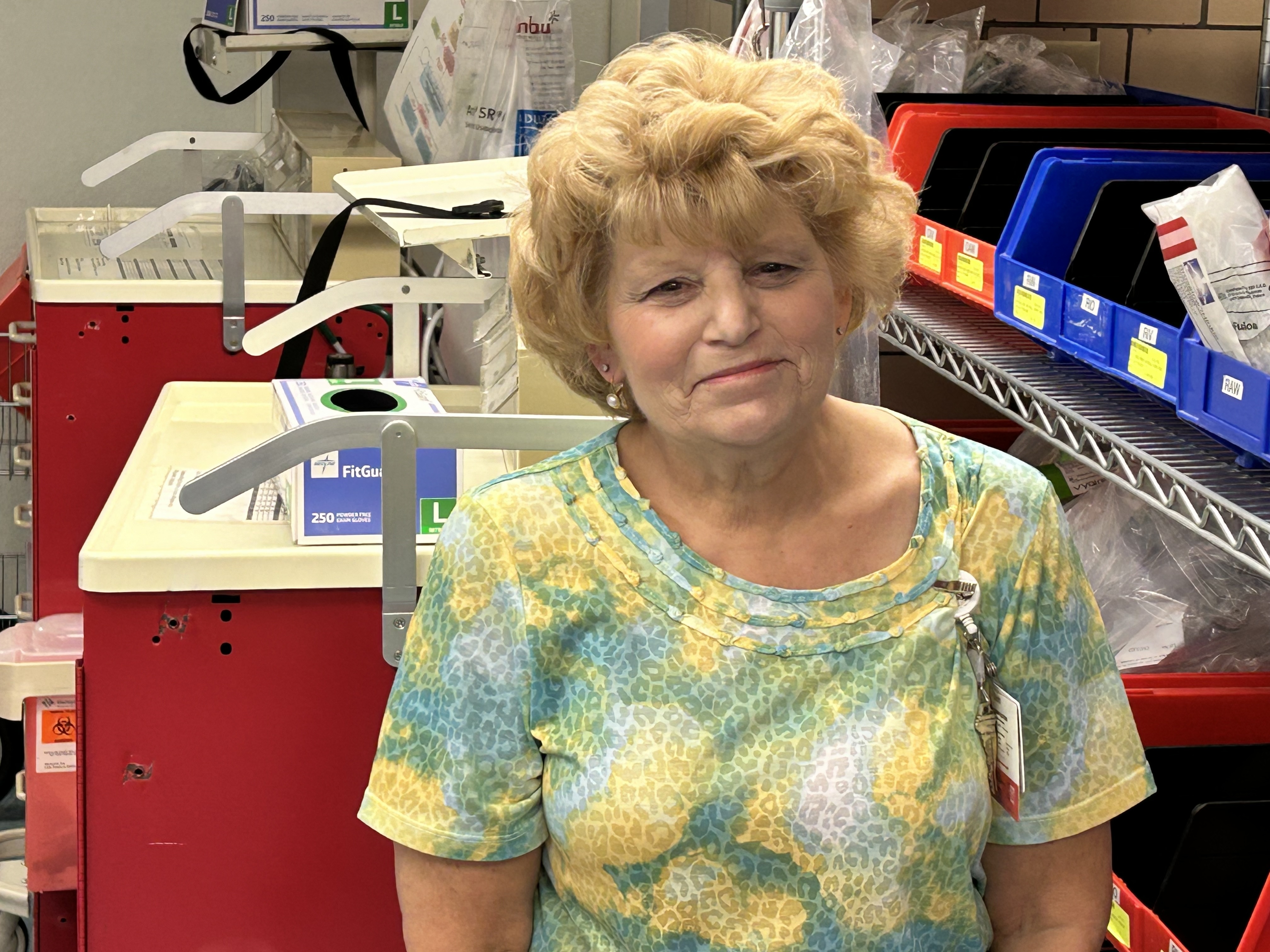

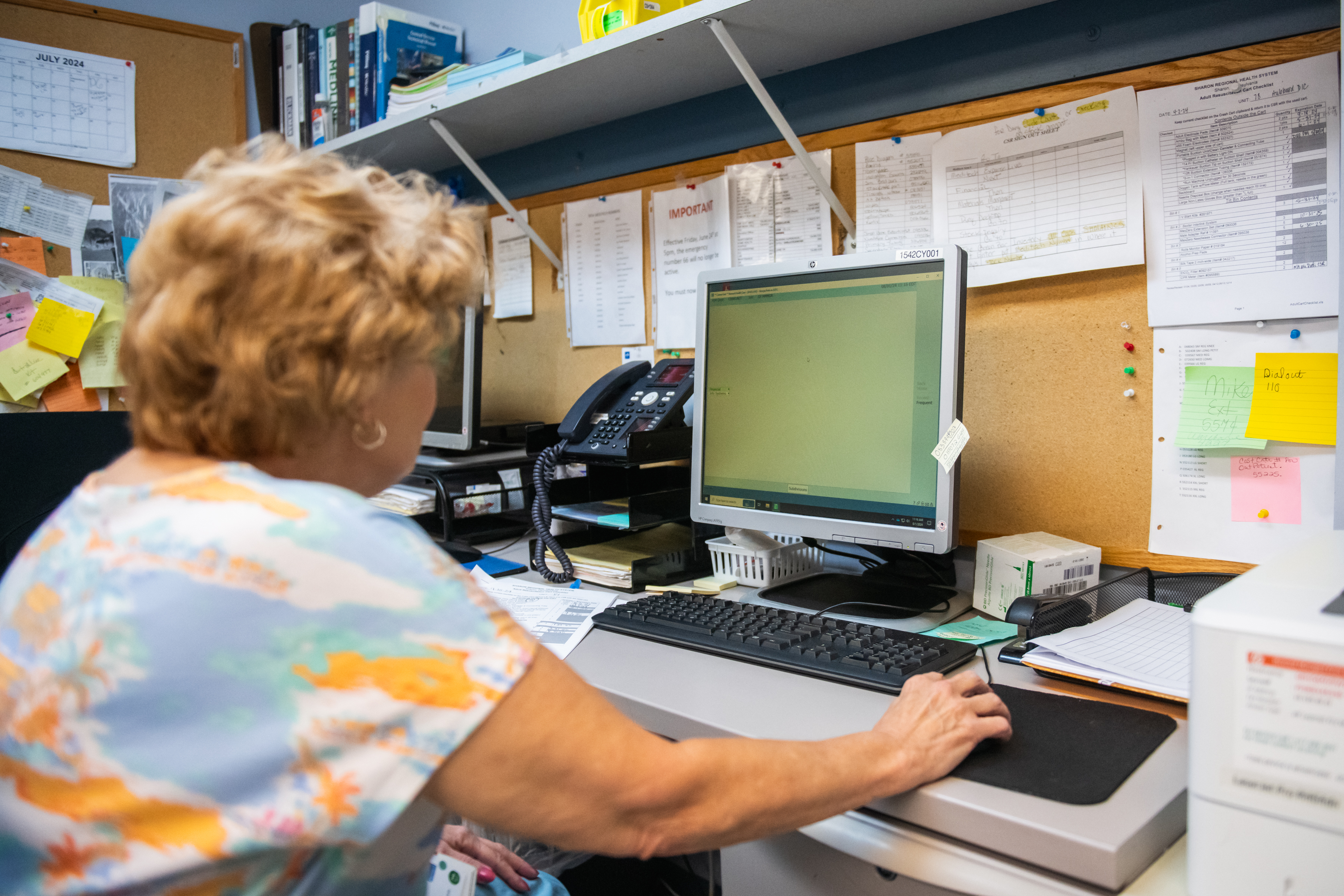
SHARON, Pa. — When she was in grade school, Patti George’s teacher asked each student in the class of 26 where their fathers worked.
All but two were in the mills, she said.
Those were the days in the booming Shenango Valley, a steel and heavy-manufacturing corridor that cut through rural Mercer County across the state line into Ohio, about 70 miles northwest of Pittsburgh.
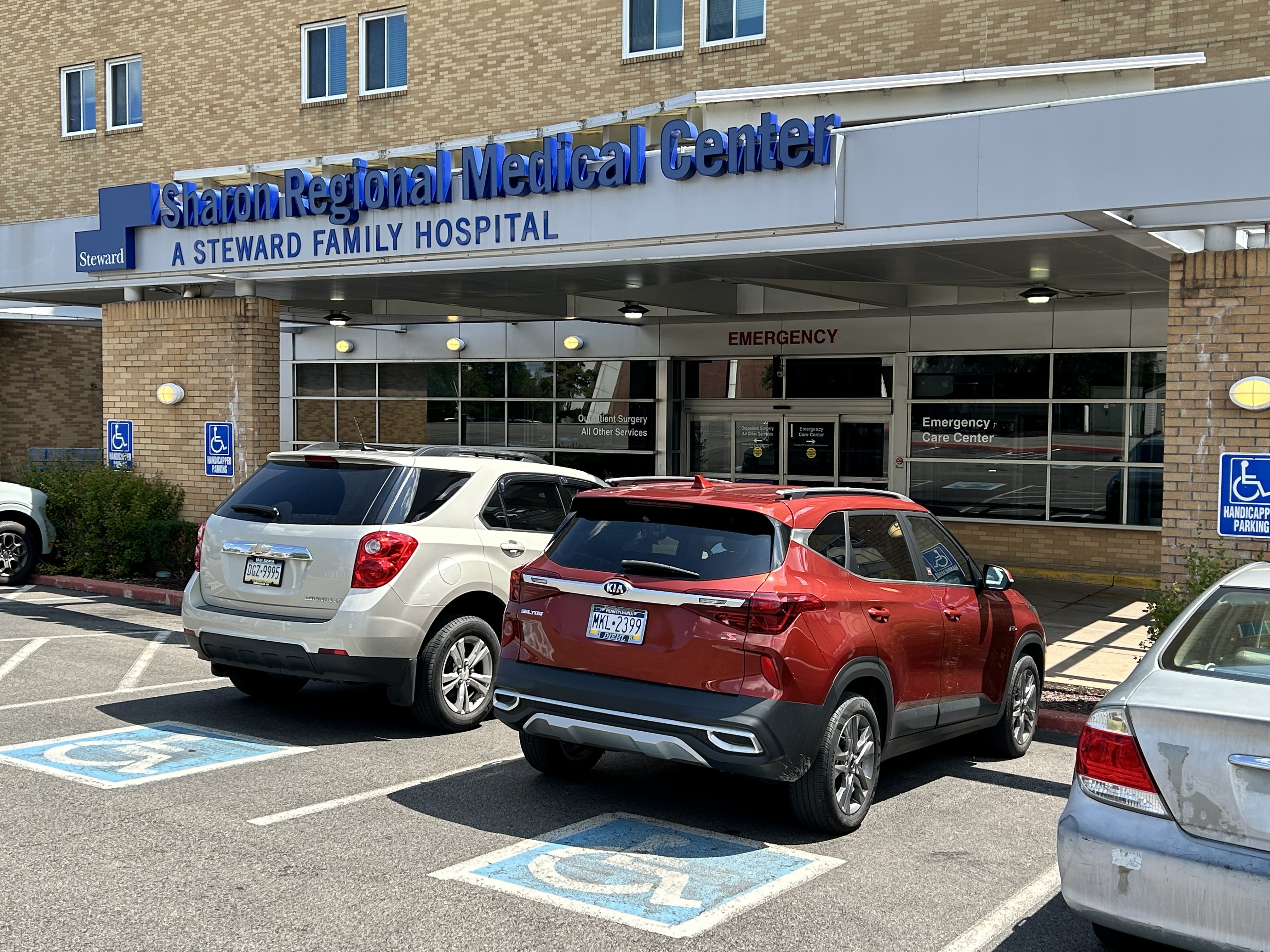
But the mills are mostly gone now and what’s left is anxiety about the future of Sharon Regional Medical Center, the county’s sixth-largest employer and an economic anchor in the region.
Ms. George has worked at Sharon Regional for 49 years.
“By the time I was in high school, these mills were going down,” said Ms. George, 66, who keeps various hospital departments stocked with medications and other supplies. “The men never recuperated from the mill closings.”
She added, “The hospital has been this saving grace.”
Community leaders are busy trying to ensure that the hospital continues to be the saving grace for the valley. Success is not assured.
Since May, Sharon Regional’s Dallas-based corporate parent, Steward Health Care System LLC, has been reorganizing under Chapter 11 of the U.S. Bankruptcy Code and trying to sell its 31 hospitals. But no offers have been received for Sharon Regional, Trumbull Regional Medical Center or Hillside Rehabilitation Hospital, both in Warren, Ohio.
In the early days, working hard was just something you did, Ms. George said. You learned it from your parents.
Her father, a butcher and meat wholesaler, regularly worked from 4 a.m. to 9 p.m., when his wife, Catherine, would have a hot supper ready for him when he got home. Ms. George was one of the two students in her grade school whose father didn’t work in a mill.
Nevertheless, she said, “I had hardworking parents.”
Both of her parents, then in their mid-90s, died within days of each other after 69 years of marriage.
Ms. George began working the cash register in the hospital cafeteria as a high school junior when Gerald Ford was president. She was one of what were then called the “after-school kids.”
Pies were baked fresh every day and coffee was 10 cents a cup, with a free refill.
Over the years, she has worked every shift in multiple departments: medical records, pharmacy, central sterile processing and surgery, where for seven years she prepared instruments for physicians from 6 a.m. to 10 p.m. to keep pace with the bustling operating rooms.
“It was booming up there,” she said. “We were busy.”
For 12 or 13 years, she never called off for anything. Few others did, either.
“People just didn’t call off,” Ms. George said. “And it funnels down to your children. They need to see you work hard.
“You started off right.”
In the early days, Sharon’s State Street was the place to shop, Ms. George said. And just before Christmas every year, hospital employees crowded Shenango Valley Mall to pick up last-minute gifts.
The mall shut for good in May, and the shuttering of another economic anchor in Mercer County, Sharon Regional, “would be a crushing injury blow” to the region, Ms. George said.
Steward Health Care System said it would close hospitals that did not sell and is making arrangements to shutter two small and struggling Massachusetts hospitals that did not draw any bidders.
“Steward’s years of financial and operational recklessness have driven these hospitals into the ground,” the Massachusetts governor and attorney general wrote in a Tuesday motion in bankruptcy court. “The Commonwealth has been clear with all parties and the court from the outset that this conduct, if allowed to persist, could lead to hospital closures, which sadly have already begun to happen.”
Sharon community leaders say the problem is that the hospital’s real estate is chained to the hospital itself, a millstone that has depressed hospital operating margins, and more recently, scared off would-be buyers because of the leasing expense. Unlocking the real estate from the hospital itself and rejecting the leases would lift hospital earnings for a new owner, which is allowable under bankruptcy law.
Birmingham, Ala.-based Medical Properties Trust Inc. owns Steward’s real estate.
The debtors asked to reject the Medical Properties lease for the Massachusetts hospitals, which U.S. Bankruptcy Court for the Southern District of Texas Judge Christopher M. Lopez granted Wednesday as negotiations over details of the lease continue. A separate Medical Properties lease covers Sharon Regional’s real estate.
The Christian H. Buhl Legacy Trust philanthropy in Sharon and the Pennsylvania attorney general have intervened in the Steward bankruptcy with hopes of saving a community asset in a struggling town that has been losing population for years.
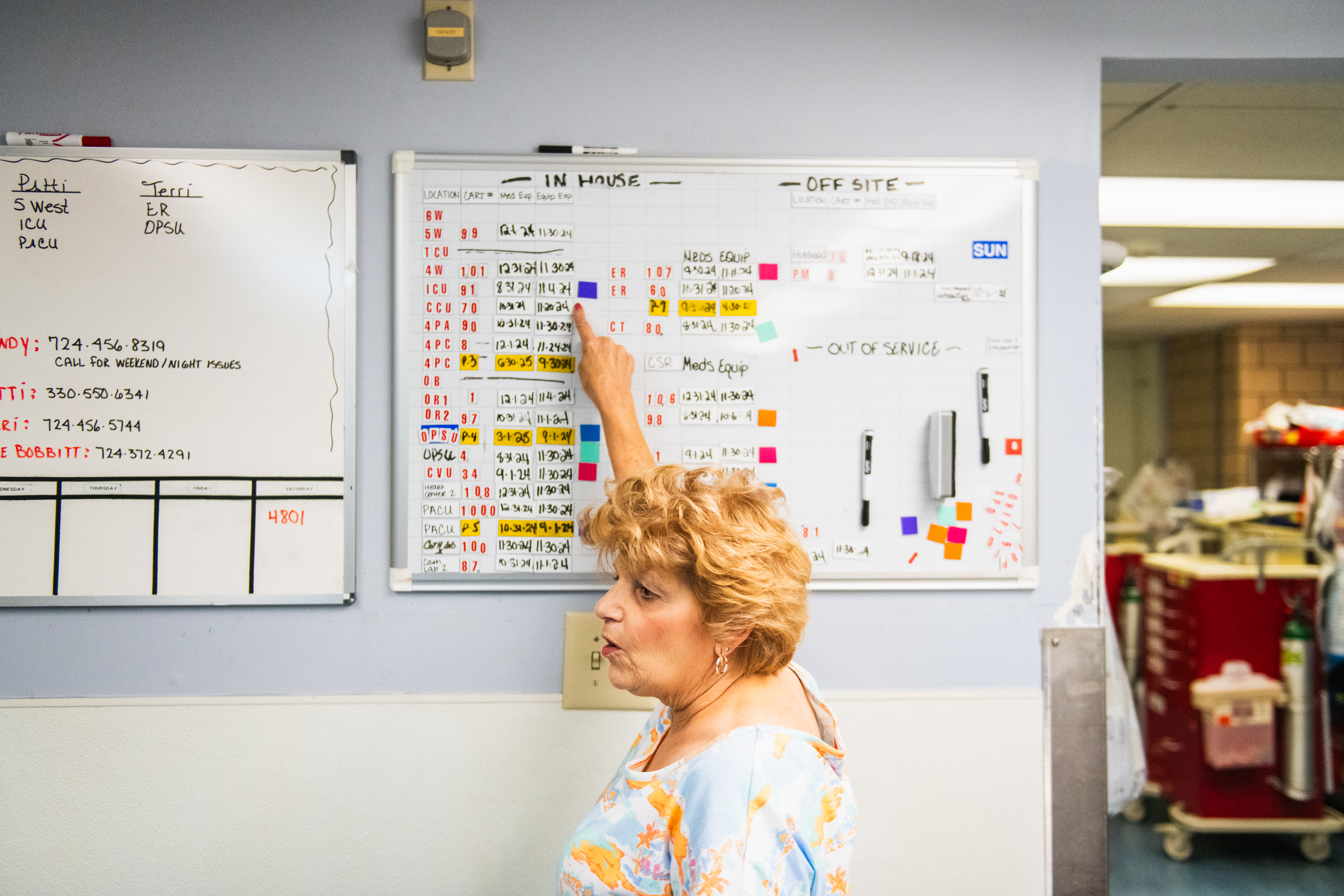
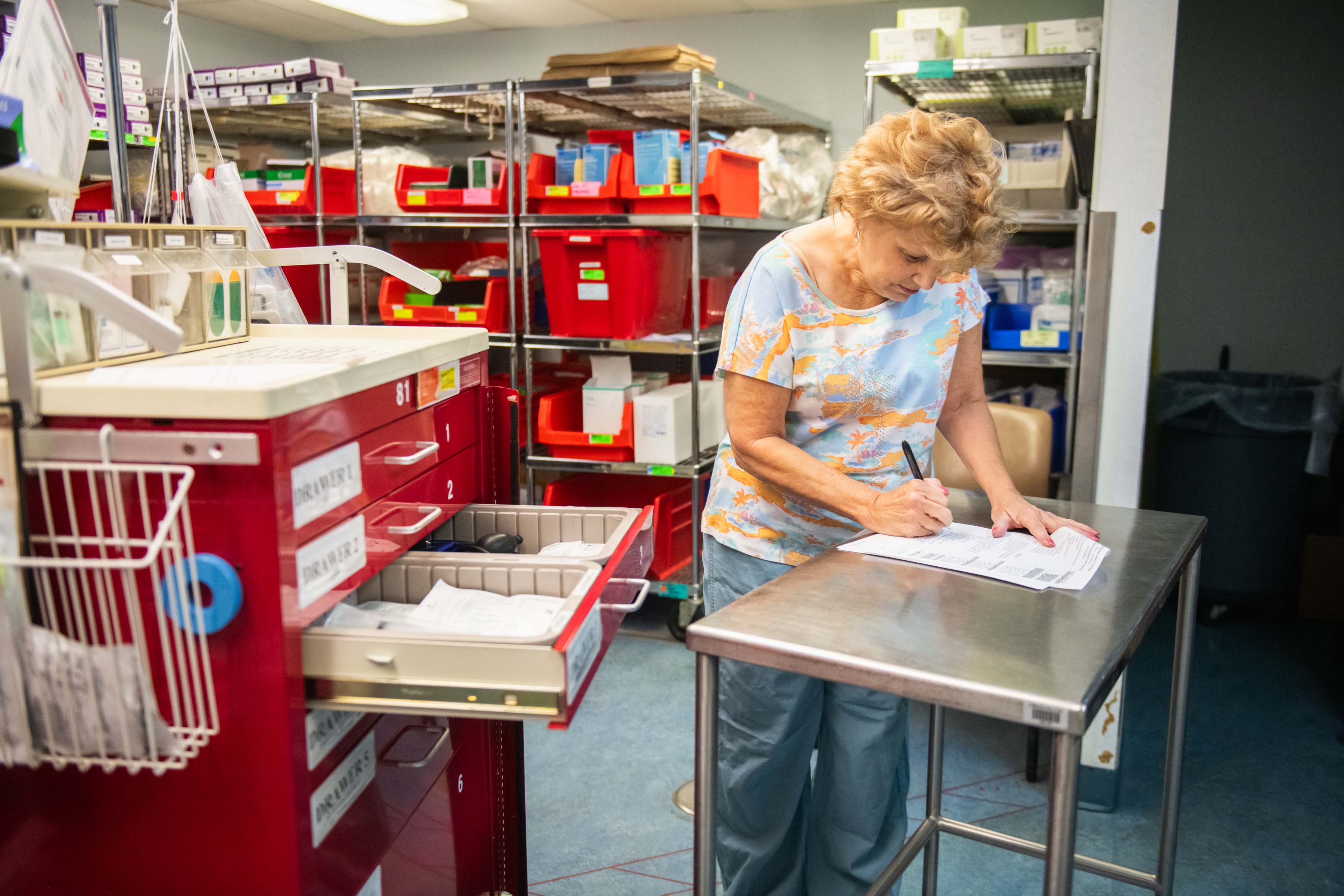
Meanwhile, in central supply at Sharon Regional where she has worked since 2009, Ms. George clocks four miles on her feet every day walking the floors. She said she enjoys the “customer service part of it,” getting doctors and nurses the medications and supplies they need to care for patients.
Ms. George grew up less than a mile from Sharon Regional, which is where she, her husband and son were all born. At one time, people didn’t move as much as they do today, she said.
Ms. George recently told a nurse friend who works at the hospital: “We would be here if we got paid or not.”
“You’re so right,” the friend answered.
“I actually love this job,” Ms. George said.
Kris B. Mamula: kmamula@post-gazette.com