
$230M Gulf Tower conversion starts
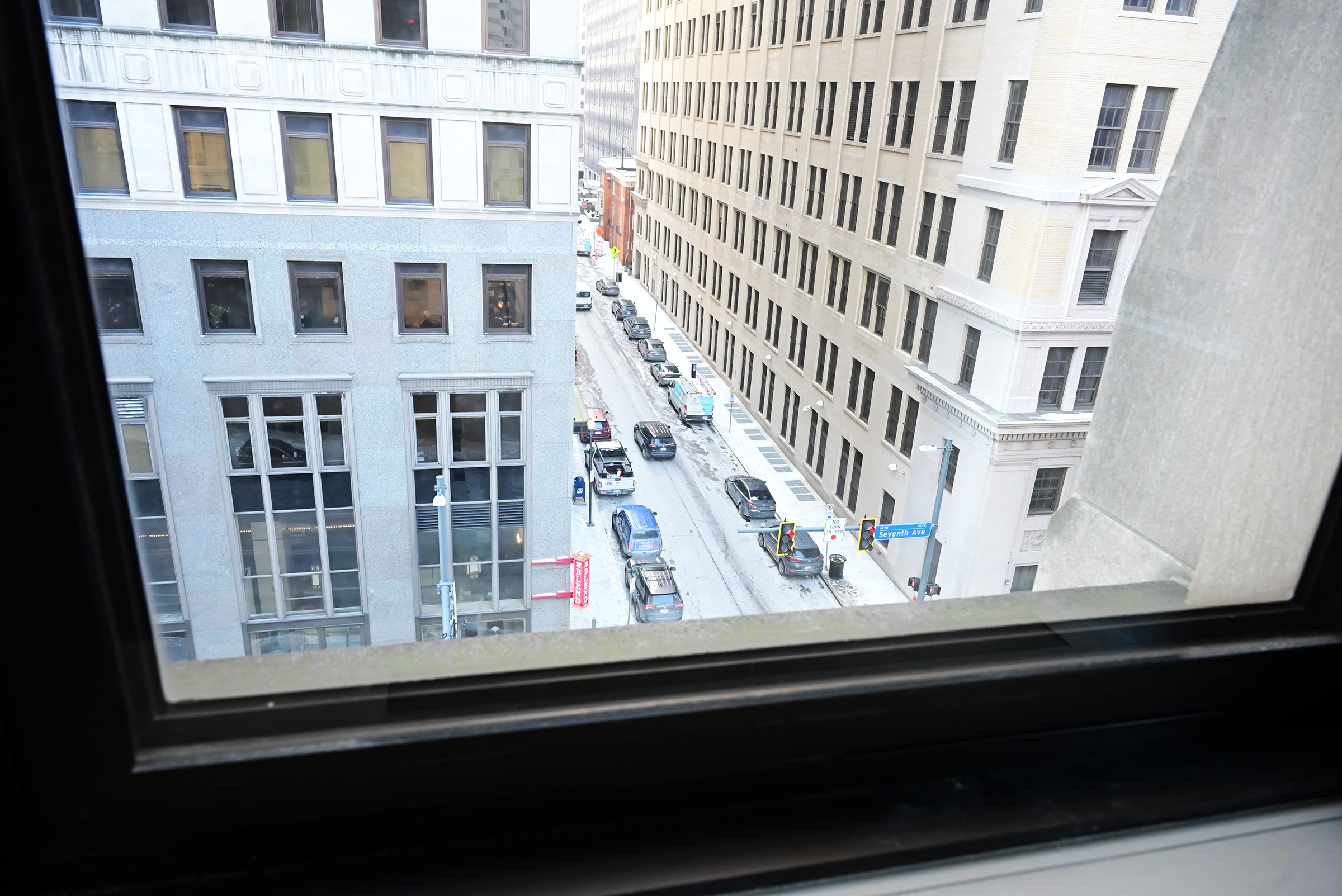
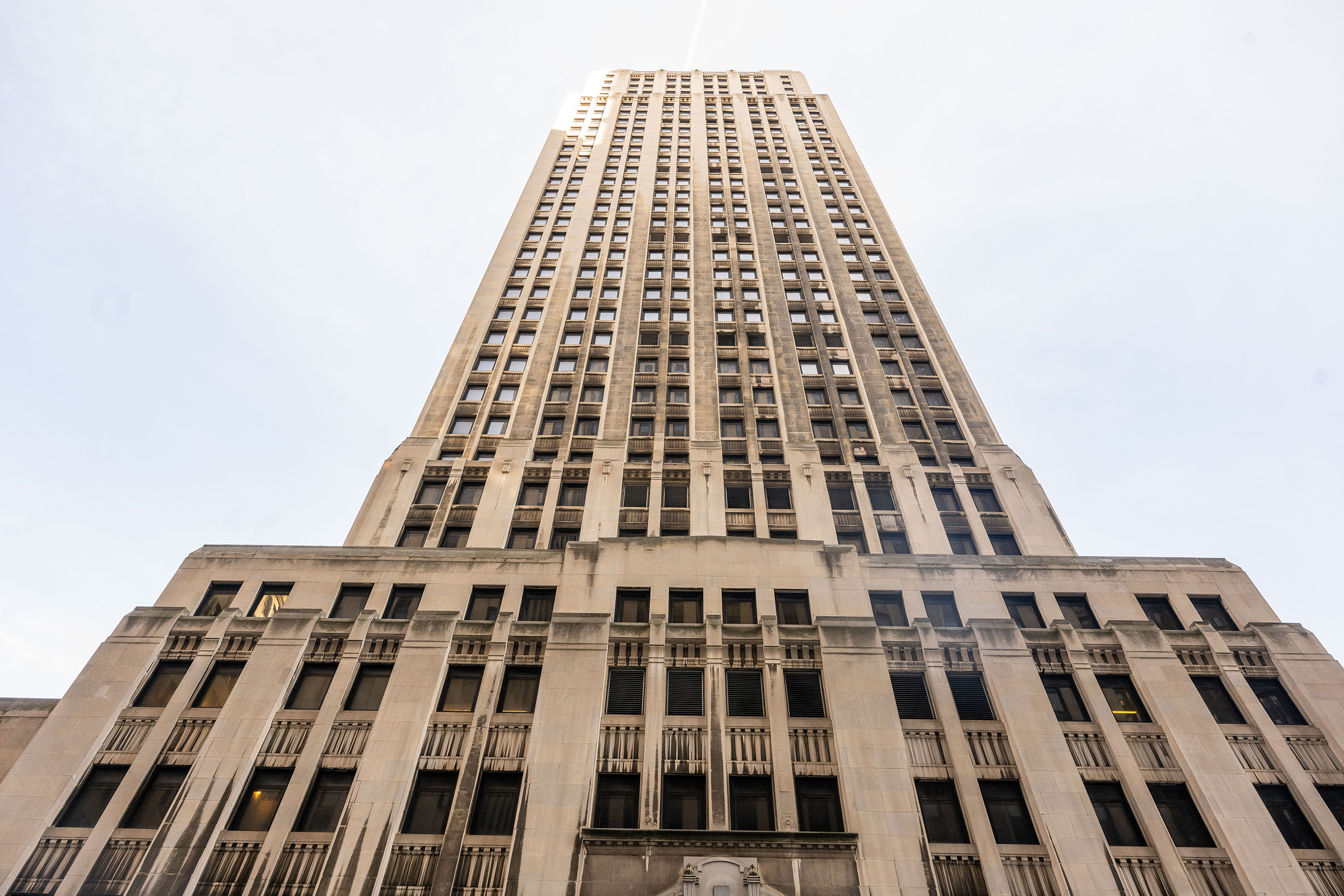
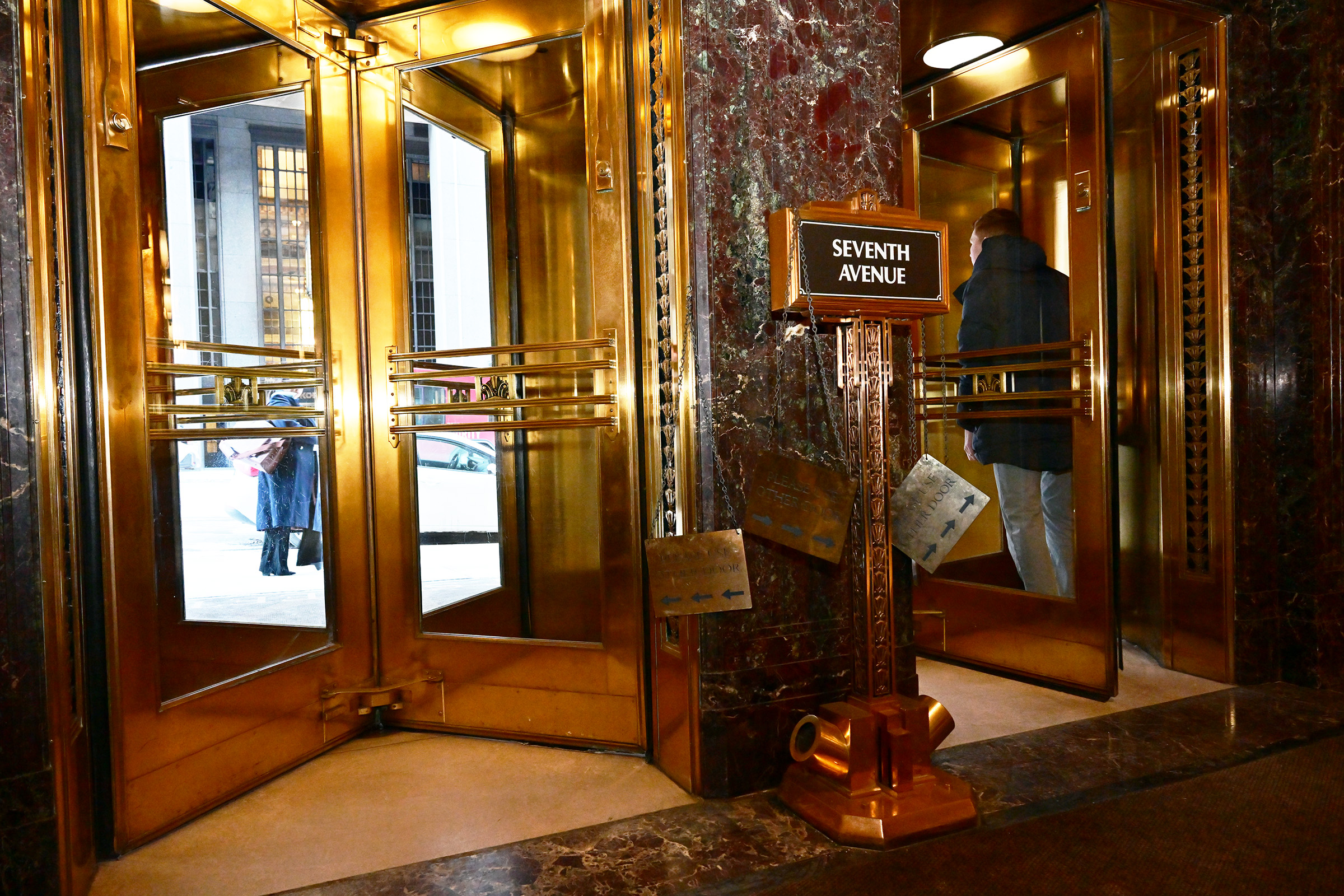
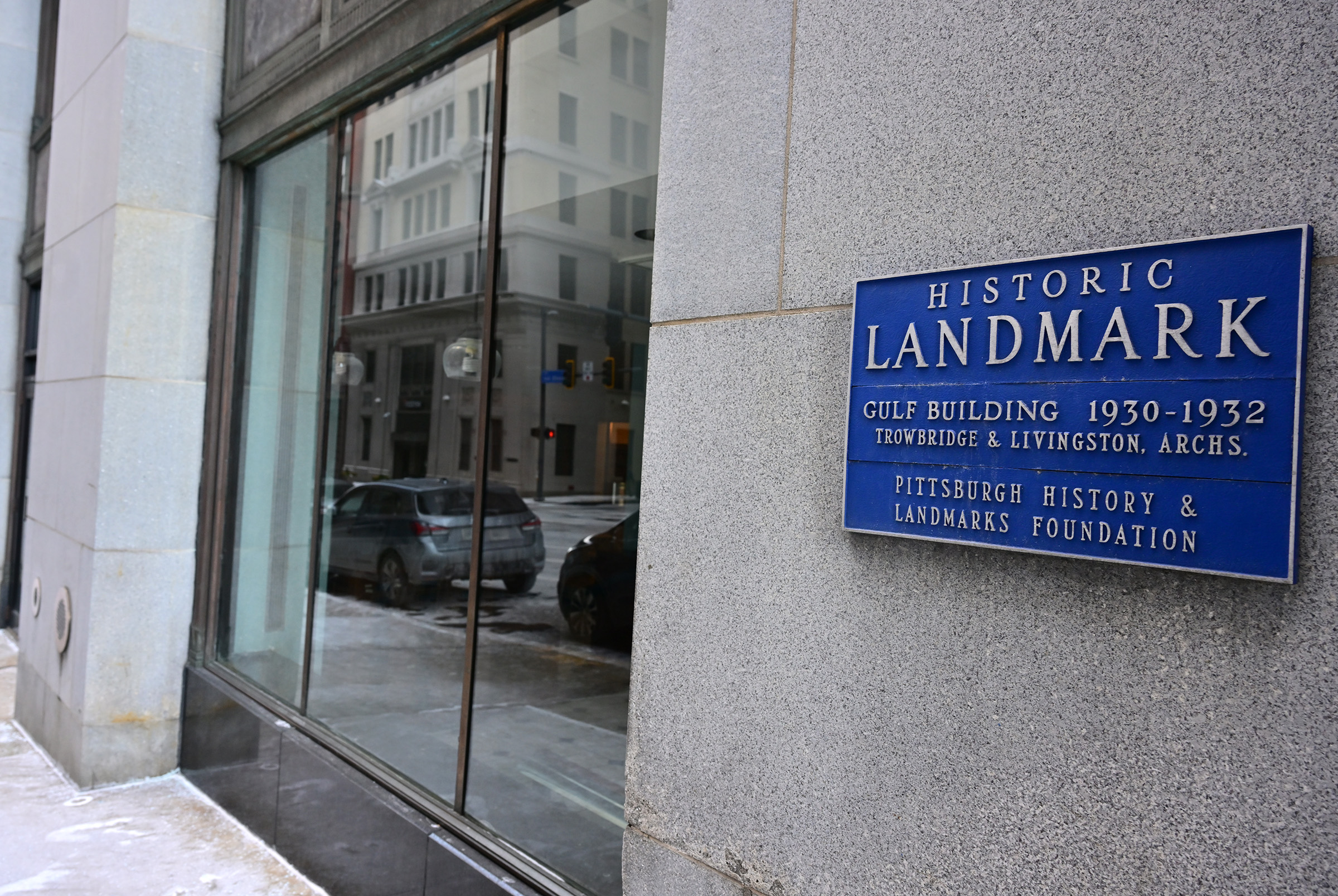
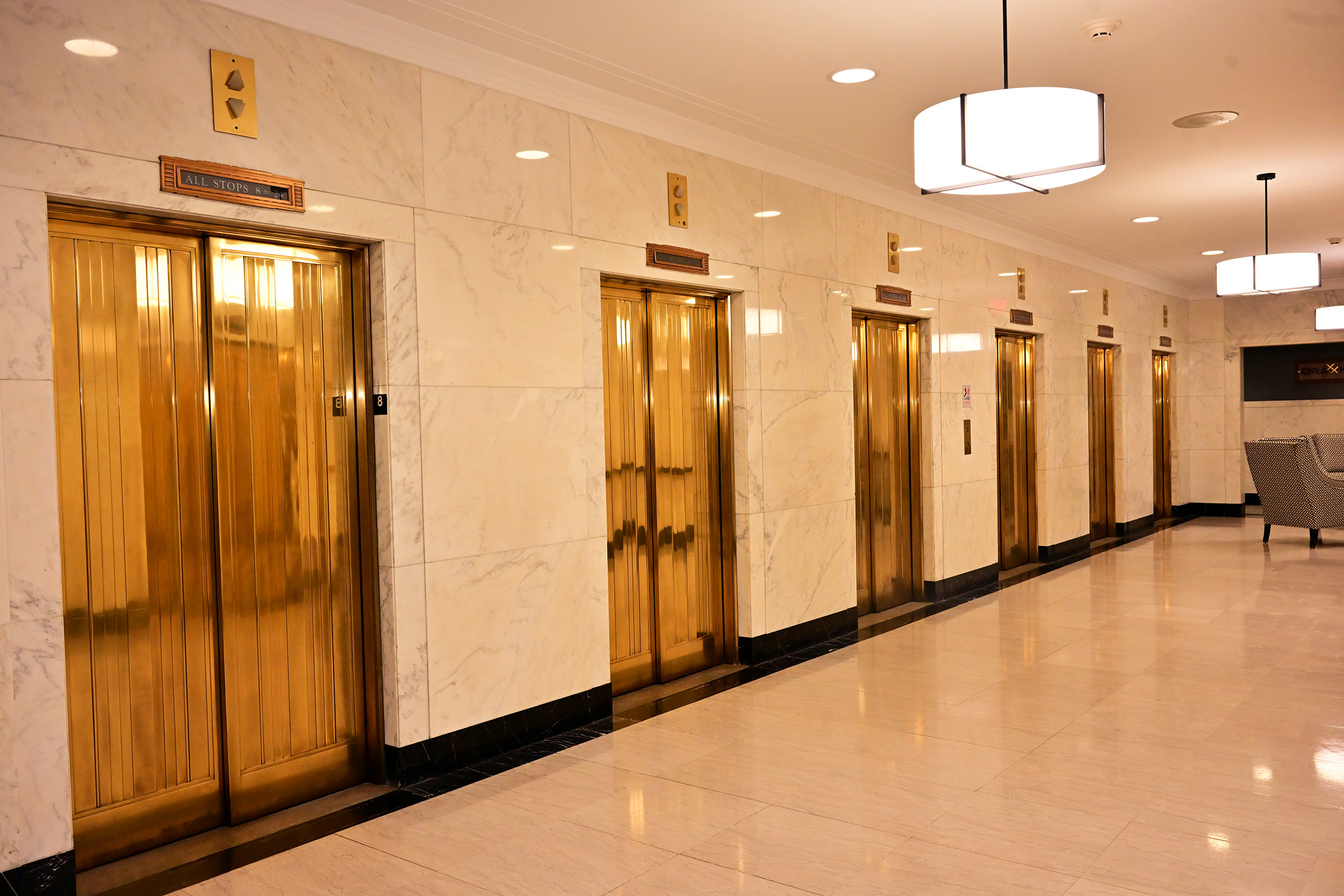
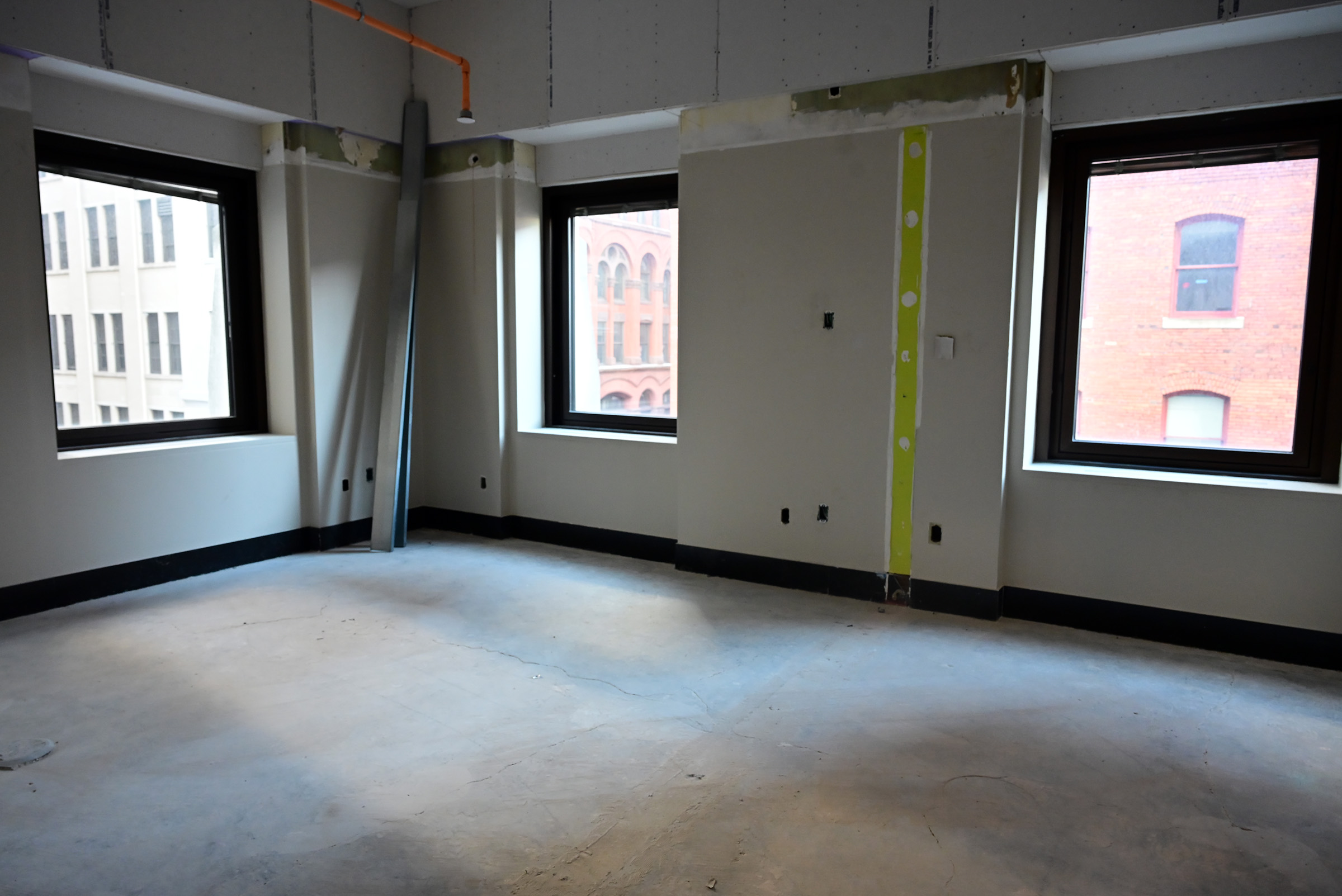
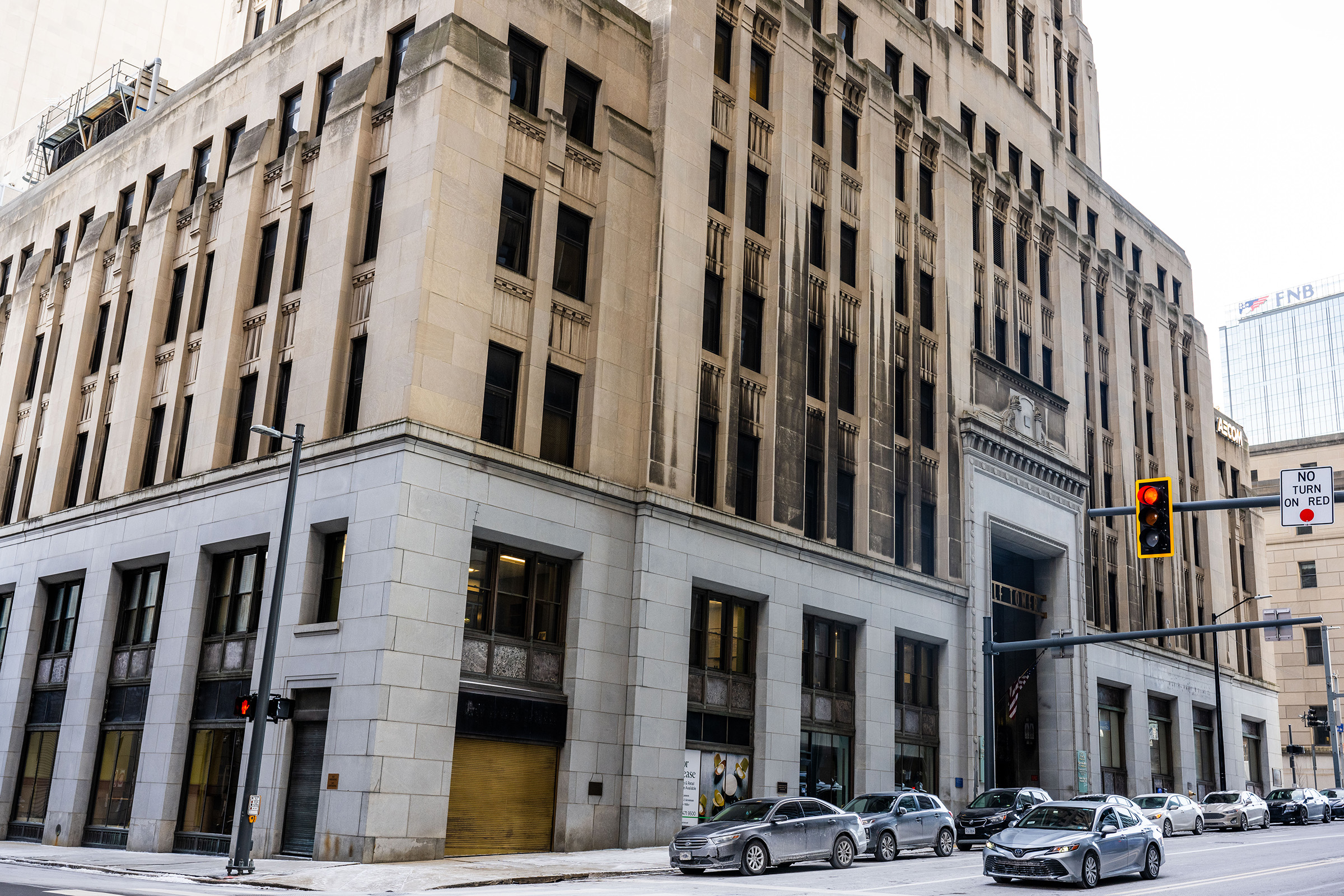
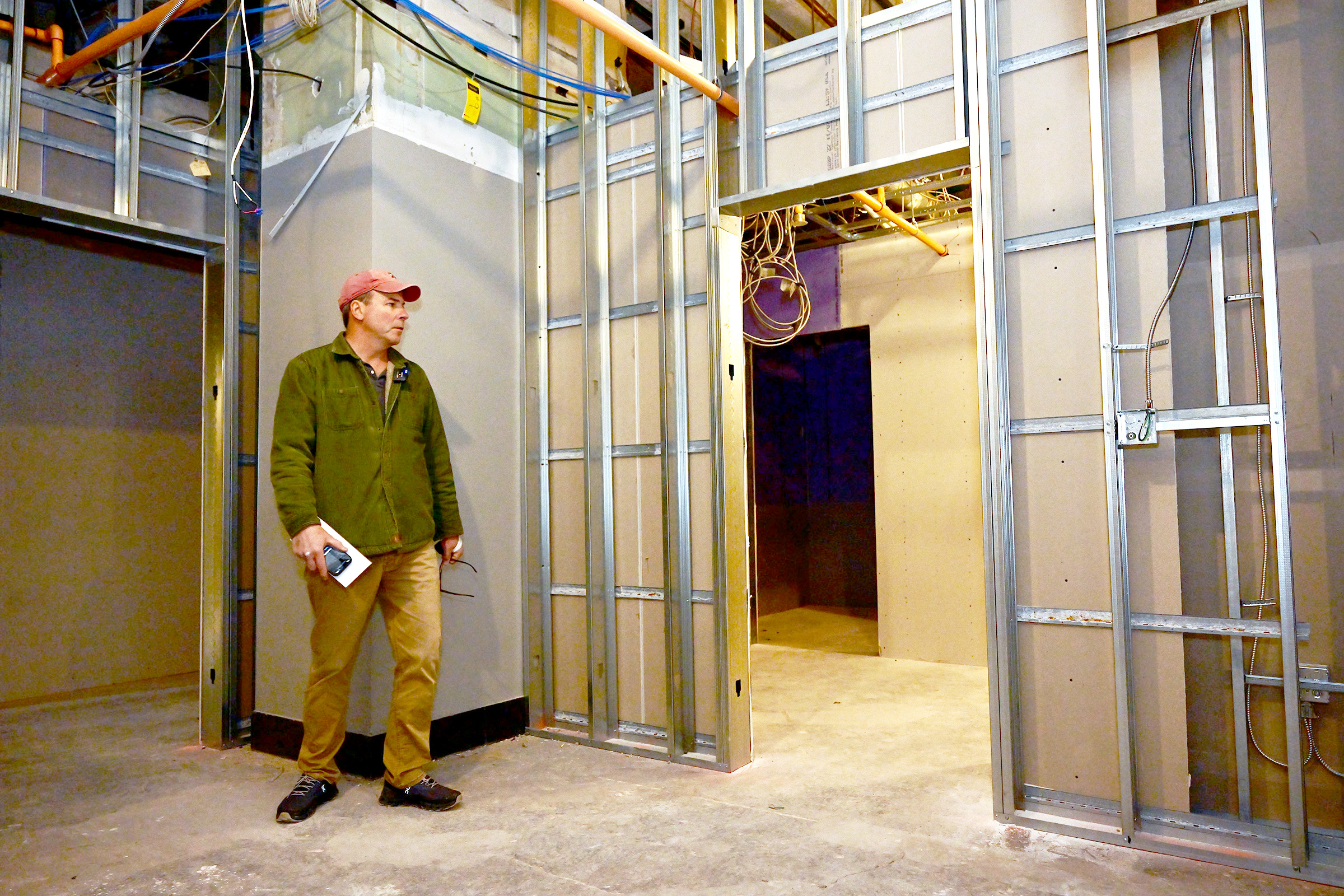
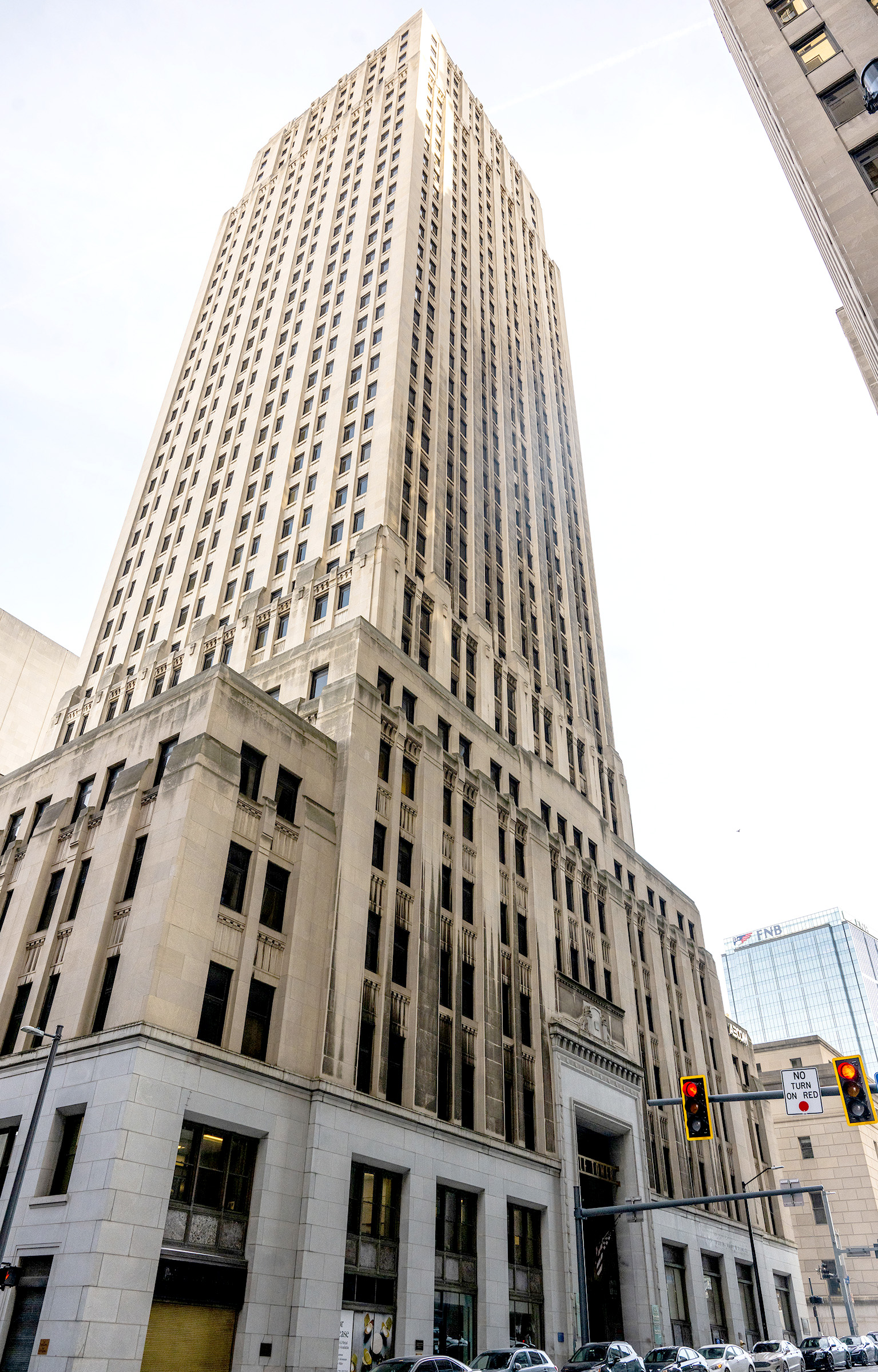
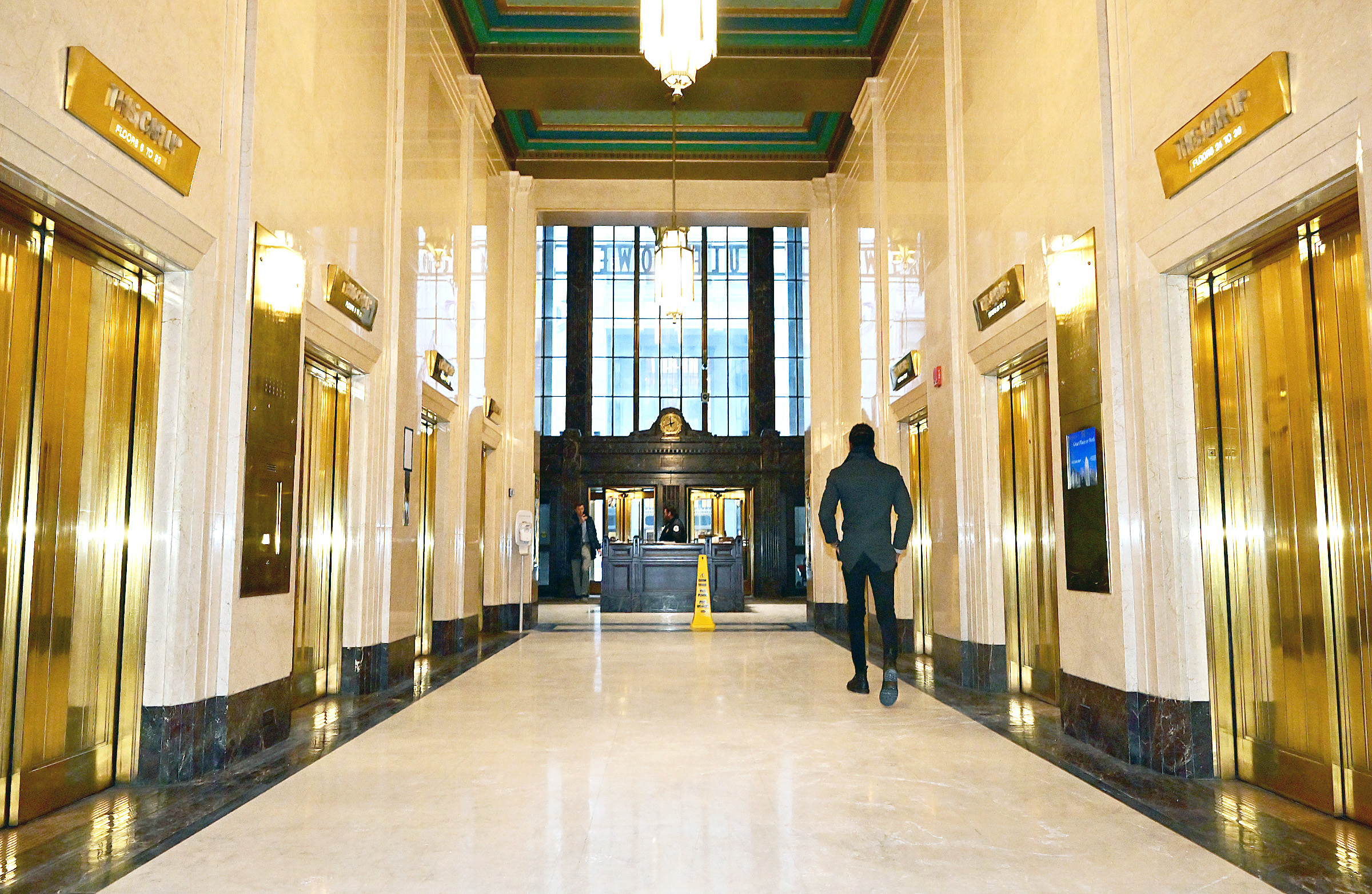
On the fourth floor of a historic skyscraper, the seeds of a Downtown revitalization are taking root.
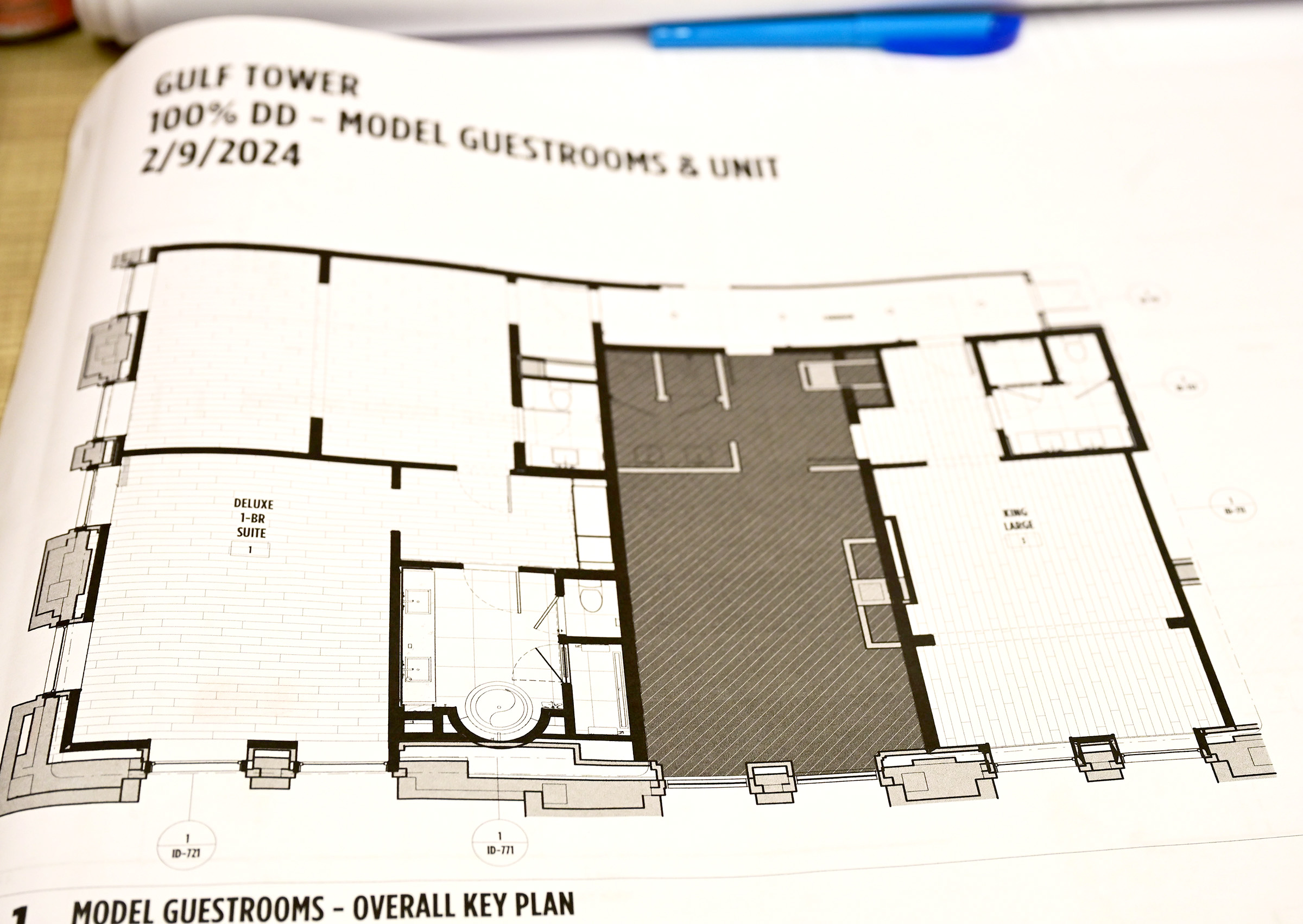
Rugby Realty is taking the first steps in its bid to convert the 44-story Gulf Tower into a luxury hotel and residential hub as it constructs model units for the 225 apartments and the 126 rooms.
Larry Walsh, Rugby principal and chief operating officer, said Wednesday that the work signals the start of the $230 million project at 707 Grant St.
Full-blown construction is expected to begin by the end of June once the New Jersey-based developer moves all of the remaining tenants out of Gulf Tower — an effort that’s already producing dividends for the neighboring Koppers Building, also owned by Rugby.
The Gulf Tower conversion is the cornerstone of the nearly $600 million plan announced last fall by Pennsylvania Gov. Josh Shapiro to reshape the Golden Triangle, which has been hit hard by high office vacancies and plummeting property values.
With 400,000 square feet of space, the skyscraper is the largest and most significant of the six buildings targeted for a residential conversion under the plan, which also calls for the preservation of the 86 units of housing in the May Building, another Downtown structure.
When completed, the Gulf Tower models will serve as replicas of a one-bedroom apartment suite and a king-size hotel room.
“It’s the very first piece of a project like this,” Mr. Walsh said. “It’s very customary in a development like this to be able to look and see a finished project to be able to tweak it before you start doing it throughout the building.”
Rugby is partnering in the venture with New York City-based Left Lane Development. The hospitality piece will be a Hotel Bardo, a luxury brand pioneered by Left Lane. The first one opened last year in Savannah, Ga.
As Rugby advances the first stage of the Gulf Tower project, it is working to move out or relocate the remaining office tenants by the start of summer.
About a dozen tenants totaling about 100,000 square feet are still scattered throughout the building, which was once the headquarters of Gulf Oil and is perhaps most famous for the neon weather beacon at its top.
Mr. Walsh said that eight tenants representing about 50,000 square feet of space have either moved to the 32-story Koppers Building across the street from Gulf Tower or are in the process of doing so.
Among them, Rugby has signed new long-term leases for the Koppers Building with Make-A-Wish Foundation, which is taking 9,000 square feet on the 25th floor, and Aecom, a design, engineering and planning firm that is taking the same amount of space on the 12th floor.
“Because of this, it completely stabilizes the Koppers Building,” Mr. Walsh said, predicting that the occupancy will ultimately climb to as much as 95%.
“To have Koppers north of 90% occupied in this market with new long-term leases is a big win for the building,” he said.
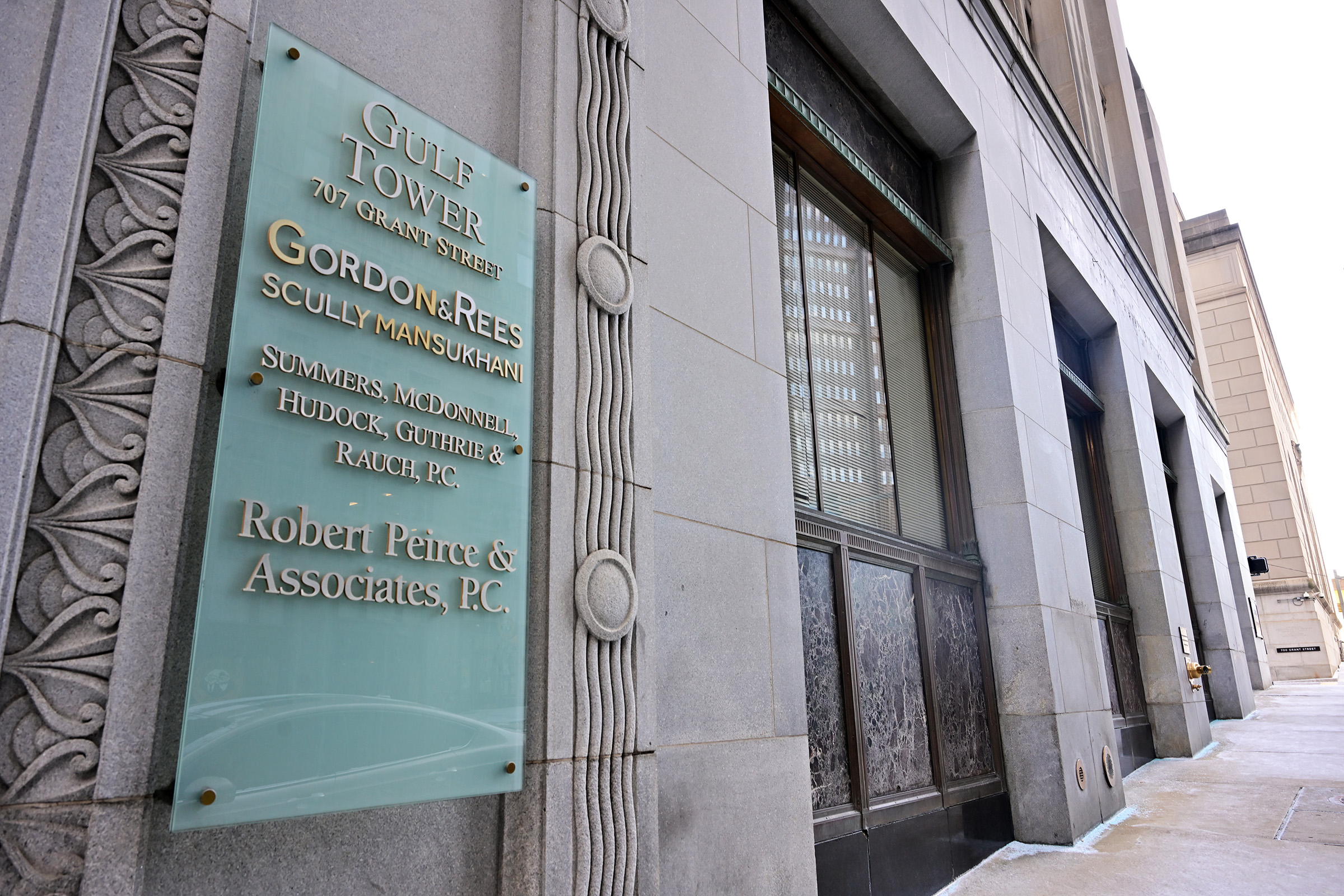
Rugby also has been moving some of the Gulf tenants to the Frick Building, another Grant Street landmark it owns. Those that have relocated include the Robert Peirce & Associates law firm and four other tenants, totaling about 35,000 square feet in all.
Together, the new deals will boost the occupancy of the 123-year-old Frick Building, erected by industrialist Henry Clay Frick, to about 85%.
One of the goals in the push to convert Downtown buildings to apartments is to reduce the amount of vacant space available while stabilizing the office market as a whole.
Dan Adamski, an executive managing director for the Jones Lang LaSalle real estate firm, said the Gulf Tower conversion “is a clear example of the path forward for Downtown.”
“By removing functionally obsolete office space from the market, the conversion will increase occupancy at Downtown’s remaining ‘winner’ buildings. Additionally, by converting office space to residential use, the Gulf Tower is contributing to a more dynamic Downtown by adding after-hours vibrancy,” he said.
Mr. Walsh added that Rugby is “basically right-sizing our portfolio by taking Gulf Tower and converting it to a different use and using those tenants to stabilize” the Koppers Building and avoid the woes facing some other Golden Triangle properties.
“The Koppers Building is going to end up a survivor,” he said.
He expects the redevelopment of Gulf Tower, at one time Pittsburgh’s tallest skyscraper, to take about 24 months to complete.
Rugby and Left Lane have estimated the project will generate $37 million in local tax revenue over the next decade and create more than 450 jobs.
Beyond Gulf Tower, Rugby is planning to convert another Downtown building — the eight-story 933 Penn — into 70 apartments, another of the projects included in the revitalization plan.
To help with the funding, the developer is receiving $10 million over two years in state redevelopment capital assistance grants for the Gulf Tower turnaround and a $2.5 million grant for 933 Penn.
Other buildings targeted under the Downtown remake include the former YWCA on Wood Street, where 294 apartment units are in the works; an office structure at First Avenue and Market Street with 93 units for seniors; and another at Smithfield Street and Fort Pitt Boulevard with 46 apartments.
In addition, the former Federal Home Loan Bank building at 601 Grant adjacent to Koppers and Gulf will be converted to 165 apartments.