
Foreign world of NIL
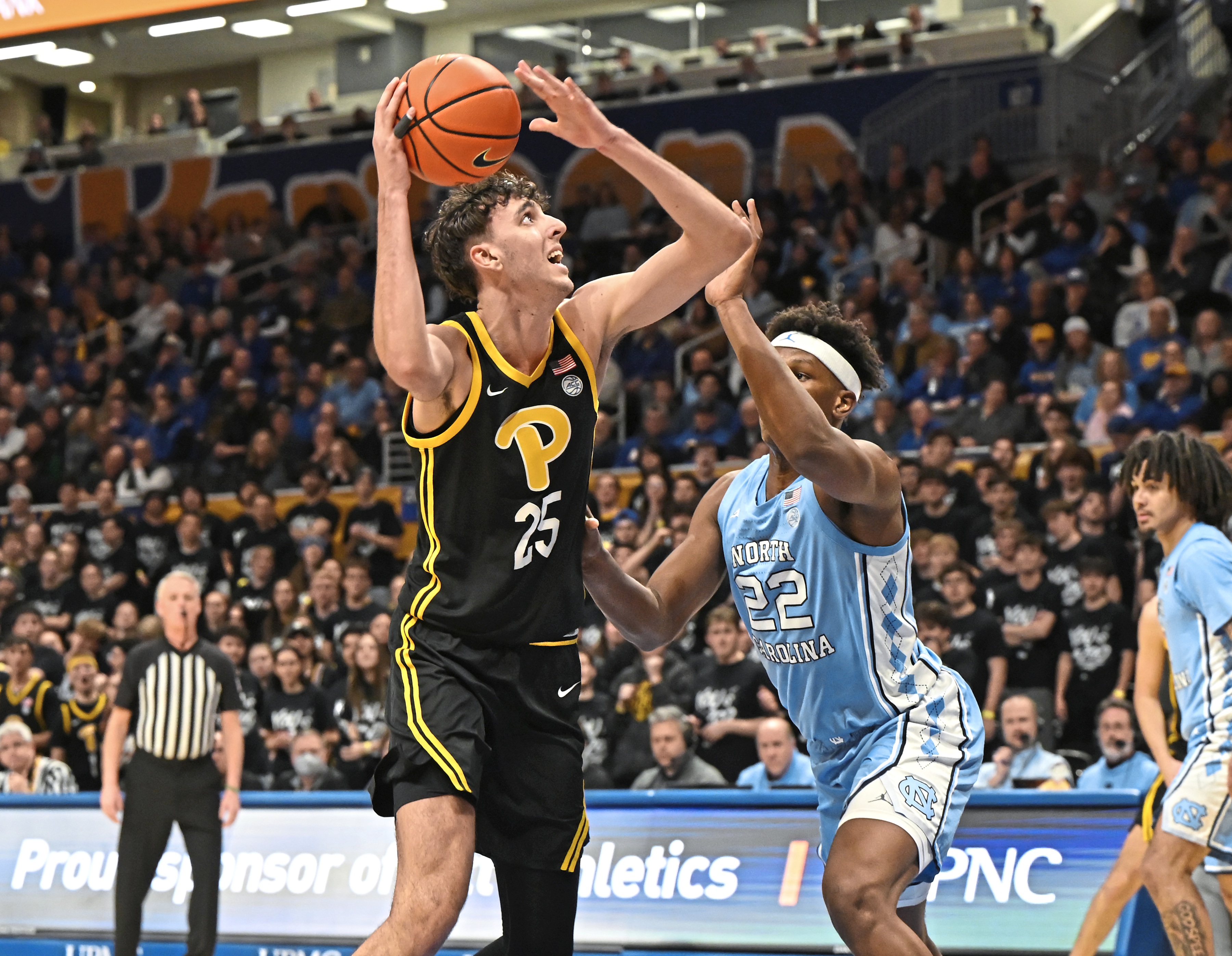
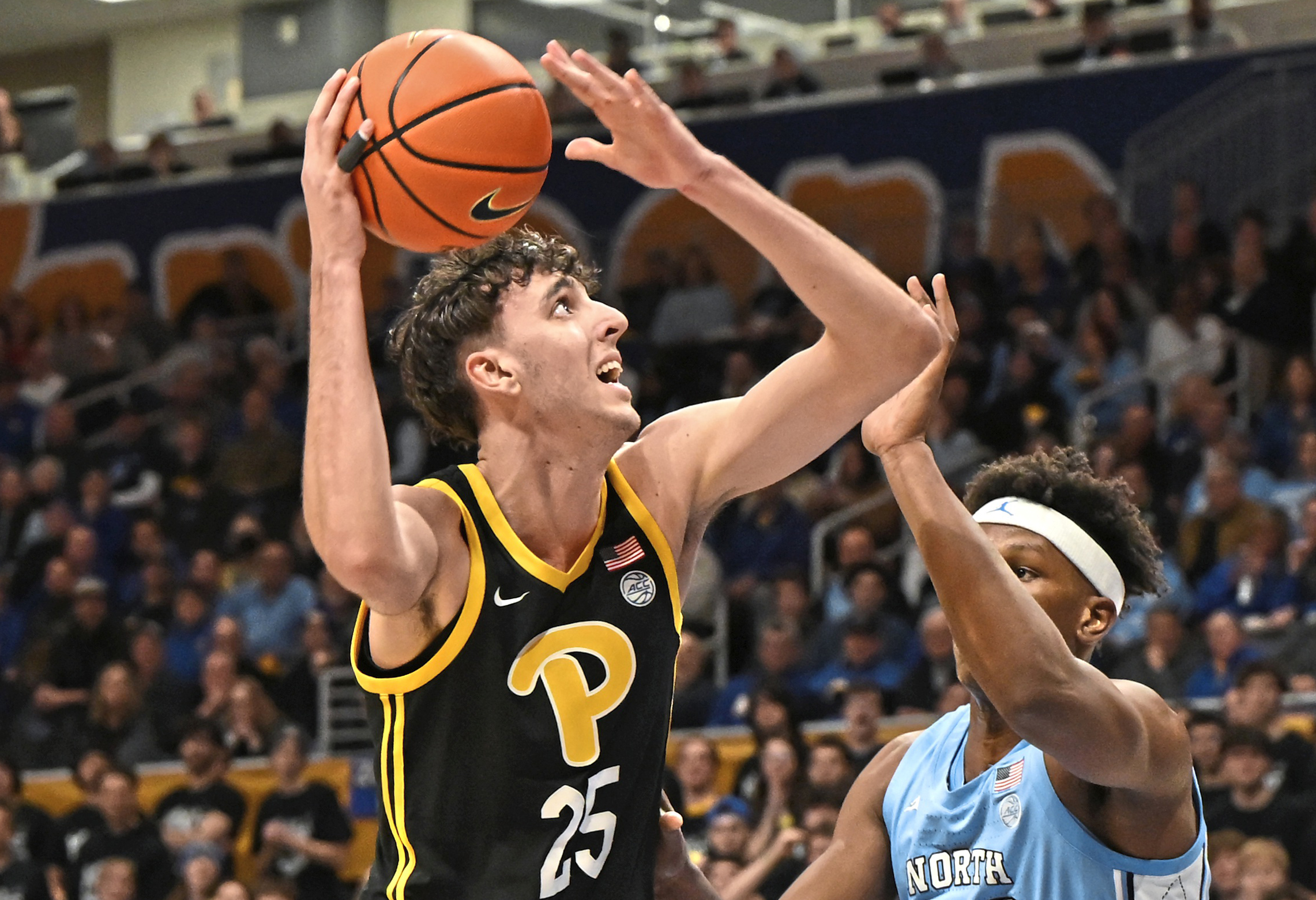
Both the men’s and women’s Division I NCAA tournaments ended on Monday night, the conclusion of a two and a half-week, 67-game college basketball spectacle that featured more than 2,000 competing athletes. In recent years the portion of that population coming from overseas has increased dramatically.
Foreign-born players made up 15% of teams competing in both NCAA tournaments this year and 12.6% of the total Division I student athlete population as of 2020, when the latest data was available. And as college sports arrive on the doorstep of massive structural changes, they are the ones with the most to lose if things go wrong.
Commonly known as the House settlement, the conclusion of House v. NCAA will include expanded player compensation permissions. If the settlement is approved in the coming weeks, it will radically change how college athletics operates. College athletes of all stripes will have to now deal with contract negotiations, taxes and other legal hoops before cashing in.
But for those coming from overseas, the House settlement creates not just legal headaches, but real danger. Guidance from the NCAA and federal government has been scarce. Now, not only are international athletes at risk of not being paid their fair share of the billions of dollars promised in the House settlement, but would risk losing their visa or worse if found to be at odds with a set of NCAA and federal regulations that aren’t yet clear.
State of play
When foreign-born athletes come to the United States to attend college and play in the NCAA, they typically do so primarily on “F class” visas, commonly known as student visas, which have strict regulations on work they are allowed to perform. Students on these types of visas have historically been able to earn money one way — by working on campus.
In most cases, that meant a graduate student working as a teaching assistant, for example. For athletes, that meant primarily working at school-sponsored sports camps. When payments for name, image and likeness (NIL) deals became permissible under NCAA bylaws, they were only allowed to profit under certain circumstances.
Athletes could either earn passive income, meaning the money comes as part of a group licensing deal with their university and its apparel company. In that case, they could just sign a couple of documents authorizing their name to be printed on the backs of shirts and jerseys to be sold.
Or they could return to their home country during a break or tournament on foreign soil, like ones played in the Bahamas during basketball season, to perform more traditional NIL work. Former West Virginia and Kentucky center Oscar Tshiebwe did it during his lengthy collegiate career. The Diaz Graham twins, Jorge and Guillermo, who played three seasons at Pitt, could have done NIL work while the team visited their home in the Canary Islands during the summer of 2023.
An athlete can apply for an “O class” visa, which is given out to immigrants with “extraordinary abilities” and allows the holder to profit from NIL deals. It’s a path to college sports that more foreign-born athletes, according to Larry Lebowitz, partner at Pittsburgh-based law firm Fragomen, Del Ray, Bernsen and Loewy, LLP.
“Some of our clients are indeed pursuing options other than the F-1 visa to be able to take advantage of NIL monies available to their athletes,” Lebowitz said. “The O-1 visa … is one such category and one that — given the student’s background and success (often professionally in his/her home country) — may well apply.”
But it is not something that any athlete coming from overseas should count on — O class visas are only handed out in rare cases.
“It is, though, still very unclear as to under what circumstances, if at all, this is permissible particularly since these athletes are also college students,” Lebowitz added.
Active vs. passive
For international athletes, legal interpretation of the new kinds of work they are permitted to perform under terms of the House settlement are critical to understanding what they can or cannot do. If and when the settlement is approved, someone will have to make finer determinations about what constitutes active vs. passive work.
A seminal piece of the House settlement are the terms on revenue sharing. Athletic departments will be permitted to pay all of their athletes up to $20.5 million during the next academic year.
Functionally, the schools are paying athletes for their talents on the field. The money comes from a variety of places like ticket sales and broadcasting revenue, among other revenue streams. But how revenue sharing will be viewed in the eyes of the legal system is not nearly as clear.
The athletes aren’t necessarily performing an extraordinary duty to earn that money, like they would if they were signing autographs or starring in commercials, which could fall under the definition of labor.
It’s not up to the NCAA or the authors of the House settlement to define whether revenue sharing constitutes labor or an avenue for passive income. That would come from the federal government and immigration officials, which means that there is not an inherent partnership between those who need information and those who are expected to hand it down.
Athletes and institutions can look into their options and the potential consequences of the House settlement, but for those coming from overseas, there is only so much preparation they can do when the fine print of the House settlement and corresponding immigration regulations still have yet to be written.
Navigating the political climate
The anticipated approval of the House settlement comes at an inconvenient time for the international athletes who will have to navigate its intricacies while the federal government has taken an actively hostile posture towards immigrants, asylum seekers and legal residents coming from foreign countries.
Last week, that hostile posture manifested itself in Pittsburgh, when the federal government revoked the visas of two international students and five recent graduates at Carnegie Mellon University.
Elsewhere in the ACC, South Sudan native Khaman Maluach, the starting center for Duke and a projected top-10 pick in this summer’s NBA draft, played part of the Blue Devils’ postseason run while facing potential deportation. His status in the country is up in the air after Secretary of State Marco Rubio announced that all existing visas for South Sudanese passport holders had been revoked.
There are certainly gray areas in NIL regulations that schools and athletes have tried to exploit, but the current political climate makes toeing the line an increasingly risky proposition. The consequences for violators range from a change in visa to deportation and restrictions on reentry to the United States. But what exactly will qualify as a violation is anyone’s guess at this point.
As of right now, immigration lawyers can only advise clients based on current laws and rules, which could change at any point in the coming weeks and months.
“While we await guidance from the government, our advice to clients is based on what the current law permits in terms of how, if at all, schools can compensate foreign student athletes as they look to remain competitive,” Lebowitz said.
With a lack of true guidance available, legal counsel can only do so much for international athletes as they work through the intricacies of the House settlement and the complexities that are mutated when the immigration system is added.
“Ultimately, and certainly with input from their university and immigration counsel, it is up to the student athlete to decide how they want to handle this issue as they may not be willing to take any actions that would put their ability to remain in the country and continued participation in athletics at risk,” Lebowitz said.