
Ethics panel calls out Kelly
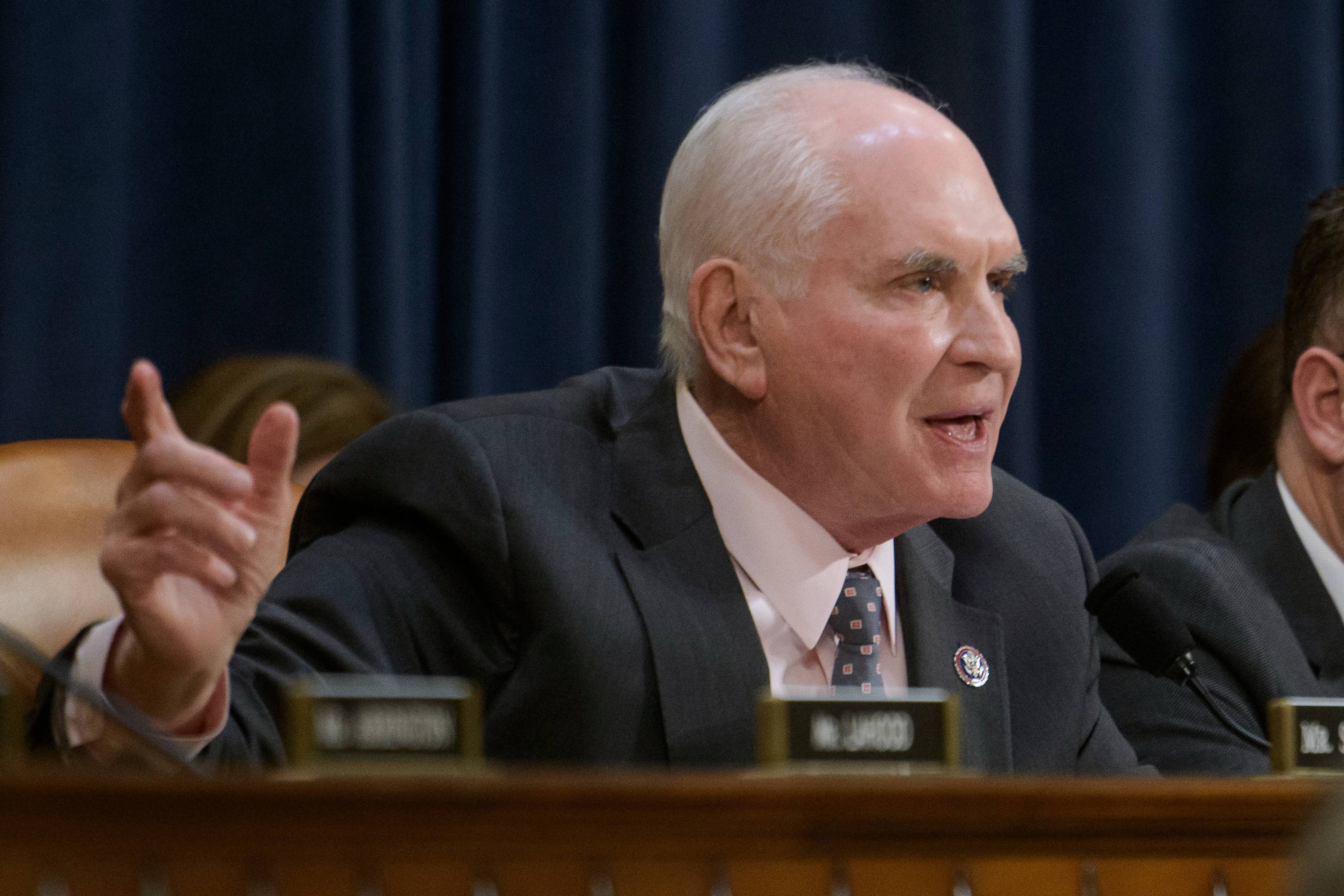
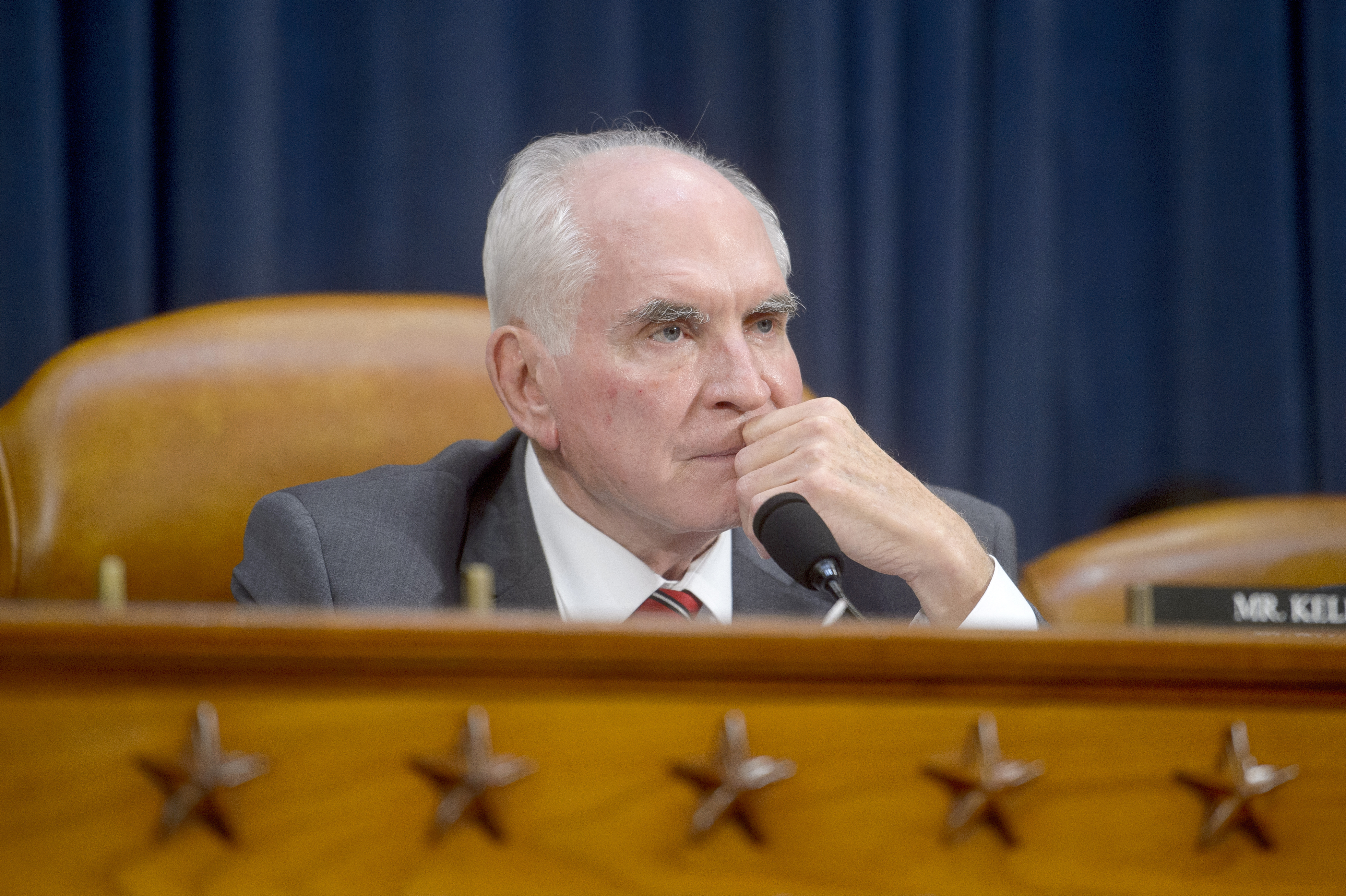
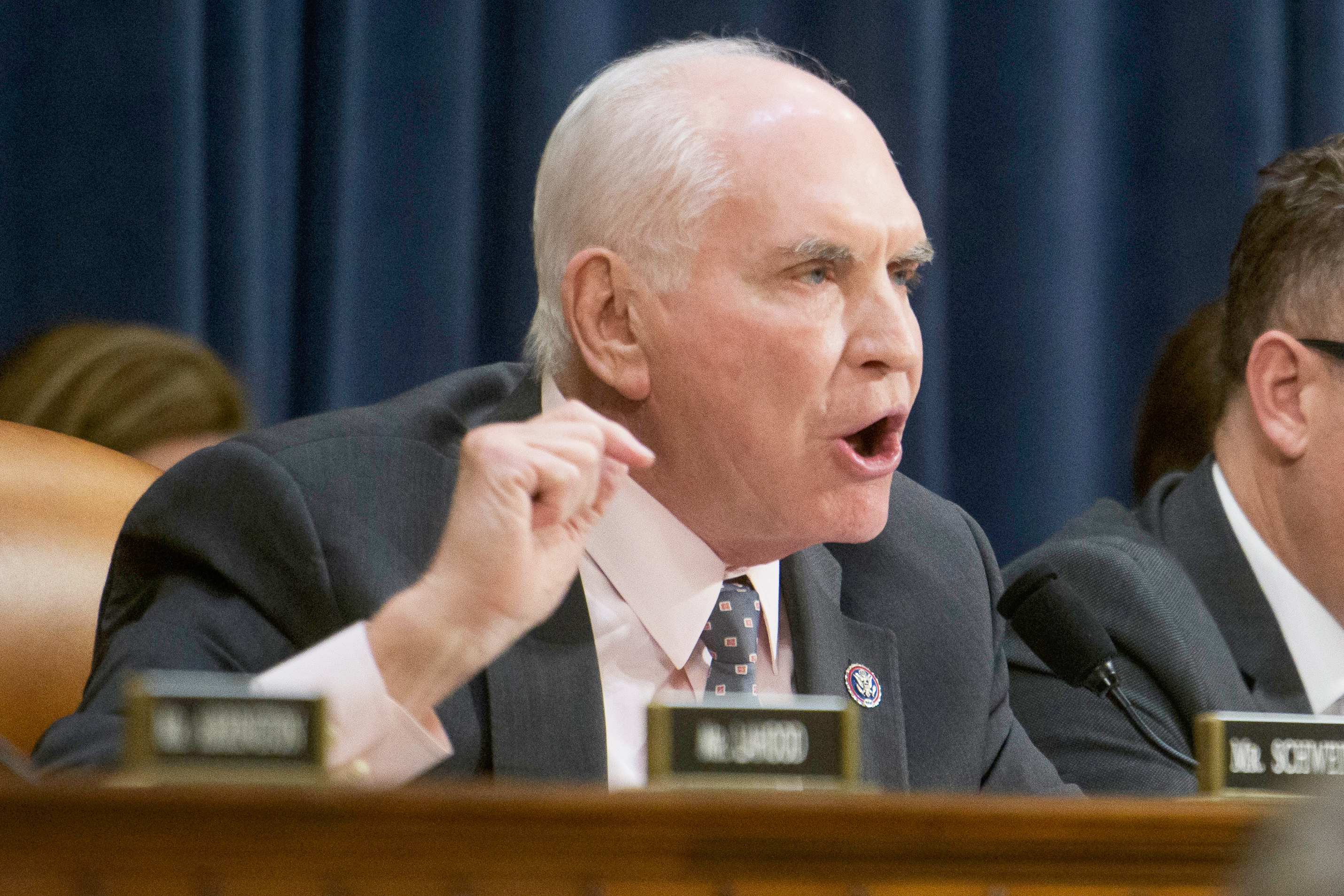
U.S. Rep. Mike Kelly violated congressional ethics rules and refused to fully cooperate with an investigation into insider trading by him and his wife, the House Ethics Committee said in a report Friday.
The committee stopped short of saying the Kellys broke laws against insider trading or conflicts of interest, but members reprimanded the Butler Republican for his lack of “candor” with investigators who were looking into whether Mr. Kelly used privileged information and his powerful Congressional perch for personal financial gain.
The yearslong probe into the Kellys started after his wife, Victoria, bought $23,000 worth of stock in a steel company in 2020 — a purchase that would earn the couple a massive $64,500 profit in less than nine months.
When his wife bought the stock, Mr. Kelly was engaged in an intense effort to lobby the first Trump administration to issue protective tariffs for the company, Cleveland-Cliffs, which had for months warned that it might shutter factories in Butler and Zanesville, Ohio.
Throughout the committee’s probe, Mr. Kelly and his wife took a series of actions that slowed investigators or blocked them altogether as they tried to learn more about what Ms. Kelly knew when she made the lucrative stock buy.
Mr. Kelly gave “inconsistent” accounts during interviews and in written answers, and when the committee asked for documents, the ones Mr. Kelly provided were “largely unresponsive,” according to the ethics report.
In other cases, the couple “refused to cooperate altogether,” the report states.
The investigation stemmed from Ms. Kelly’s purchase of 5,000 shares of Cleveland-Cliffs stock on April 29, 2020.
For more than a month, the Ohio-based steelmaker had been publicly warning that without tariff protections, it might have to lay off employees as it closed two sprawling factories, one of which was in Mr. Kelly’s district.
Mr. Kelly launched a multi-pronged effort to support the company and to pressure the government to provide the help that Cleveland-Cliffs was asking for, saying it was vital to the people of his district who depended on the mill for their livelihood.
He called it “a matter not only of the jobs in my town and in our state but also for national security,” according to the ethics report.
During a Congressional hearing that Mr. Kelly attended, the CEO of the steelmaker said that without government intervention, “1,500 jobs in Butler, Pa. will be gone.”
Behind the scenes, Mr. Kelly continued his push to help the company with entreaties to the U.S. Trade Representative, high-ranking officials in the Commerce Department and top Trump administration officials, according to the report.
On April 28, while Mr. Kelly was home recovering from COVID-19, a member of his staff called with the news: the federal government would launch an investigation into whether tariffs were warranted, the first step toward taxing Cleveland-Cliffs’ foreign competitors.
Mr. Kelly would later tell the committee that his wife often listened when he was on the phone, but that he didn’t think he talked about the impending investigation with her that night.
The next day, Ms. Kelly made the purchase — five days before the news became public.
The stock buy was, itself, an “outlier” for Ms. Kelly, who had millions of dollars in investments.
Usually, she relied on brokers at PNC Bank to handle her portfolio, which consisted almost entirely of investments in funds and bonds, the ethics committee wrote.
This purchase — “Ms. Kelly’s first purchase of an individual stock in nearly a year,” the report states — she directed on her own.
“Unlike every other stock she held since at least 2017 until the Cleveland-Cliffs purchase in 2020, this purchase required her explicit instruction,” according to the report.
“The Committee did not receive convincing evidence from any individual as to why Mrs. Kelly chose to purchase Cleveland-Cliffs stock the day after Rep. Kelly learned that Cleveland-Cliffs would not be closing the Butler plant as previously announced,” the committee wrote.
In a statement to the Post-Gazette on Friday, Mr. Kelly focused on his long support for Cleveland-Cliffs’ Butler Works and said the ethics investigation “unnecessarily lasted for nearly five years.”
“Throughout this process, I have fought for the 1,400 workers at the plant, I’ve spoken with these workers, and they appreciate the hard work we have done to fight for those jobs and for Butler,” Mr. Kelly wrote. “My family and I look forward to putting this distraction behind us.”
During the investigation, Mr. Kelly appeared to brush off concerns about the controversy, and repeatedly told investigators that “no one cares” what stocks his wife buys, according to the report.
“The conflict of interest standards and federal laws prohibiting insider trading exist because people do care,” the committee wrote.
One of those federal laws — the STOCK Act — bars members of Congress from trading securities based on privileged information they learn from their position in the government.
Mr. Kelly, then a freshman House member, voted for the act when it passed in 2012.
During the investigation, the ethics committee said Mr. Kelly gave “inconsistent” testimony as to why his wife bought the stock when she did.
In some instances, Mr. Kelly said she did it to show support for the company and its employees — although the committee noted they made no public announcement about the purchase.
When investigators asked him whether his wife knew the Cleveland-Cliffs plants were going to stay open when she bought the shares, he told them, “I think she thought the stock was so low priced, it’d be foolish not to … I know that she thought she made a hell of a buy.”
On Jan. 11, 2021, Ms. Kelly sold her Cleveland Cliffs stock for $87,551.06, according to the report.
For investigators trying to determine what Ms. Kelly knew and when, she proved to be another roadblock.
“Without Mrs. Kelly’s cooperation, the committee was ultimately unable to confirm whether Mrs. Kelly received nonpublic information from her husband or what her intent was in purchasing the Cleveland-Cliffs stock,” the committee wrote.
It’s the second time a congressional probe in the trade has been hampered by the Kellys’ resistance, investigators said.
In 2021, the Office of Congressional Ethics ended its own probe into the stock buy, saying that because the couple wouldn’t provide answers, it couldn’t “definitively say what Representative Kelly and his wife knew about these developments and when they knew them.”
In the more recent probe, the House Ethics Committee decided not to subpoena Ms. Kelly because of “concerns raised about [her] health, and the lack of candor in her communications to the committee.”
Without that key piece of information, the committee didn’t have enough evidence to say the Kellys broke federal law, but the report reprimands the seven-term congressman for not being candid with investigators.
In a rare move, the committee urged the Kellys to sell off the Cleveland-Cliffs stock that Ms. Kelly brought in March 2024 — a purchase that once again happened while her husband was working to sway government policy by blocking a proposed rule that could have impacted the Cleveland-Cliffs’ Butler Works.
The Department of Energy announced it was abandoning the rule change — a move welcomed by Mr. Kelly and Cleveland-Cliffs — on April 4 last year, one week after Ms. Kelly bought between $50,000 and $100,000 in stock in the company.
“Mrs. Kelly declined to respond to written questions regarding this stock purchase,” the committee wrote. “Representative Kelly also did not respond to written questions about the purchase.”