
2 Pittsburgh teens find their passion in restaurants
Most high school students are faced with the same question: What comes next?
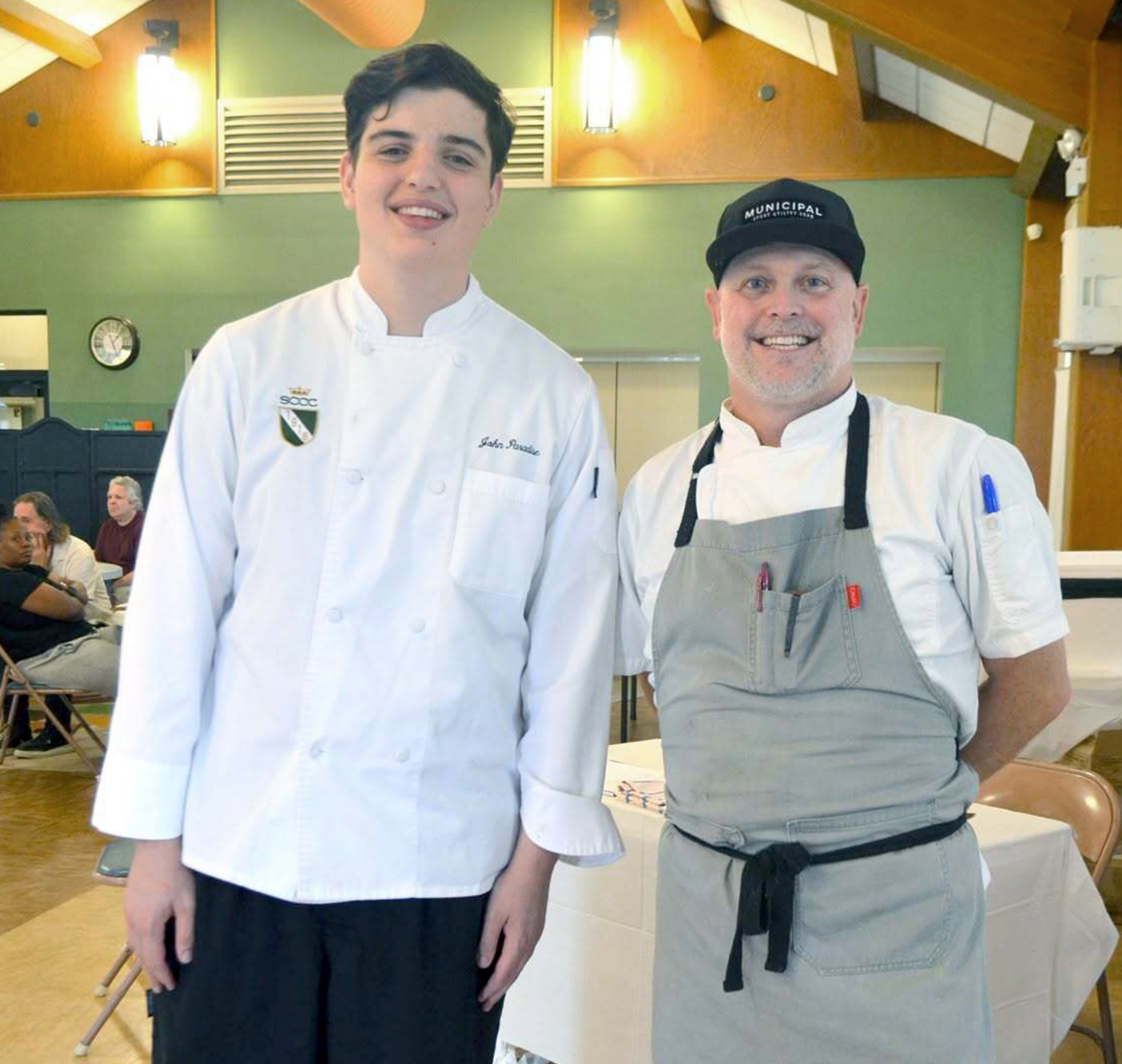
John Paradise, 18, and Itai Tuti, 17, are among the rare group of youngsters who know exactly what they want to do. They are part of a small cohort of promising teenagers who’ve taken to vocational classrooms and restaurant kitchens to learn the discipline and expectations of professional cooking while still hitting the books.
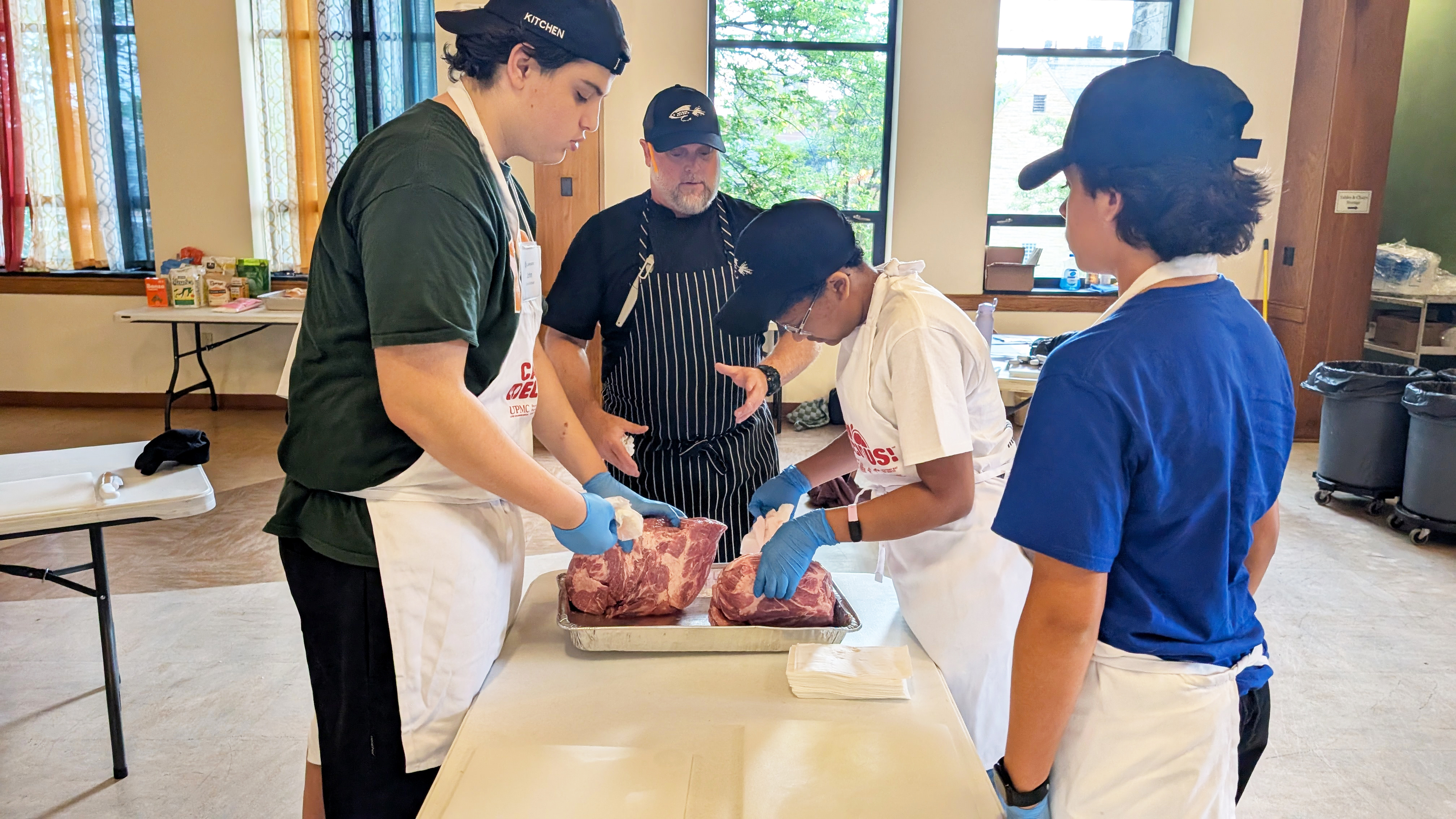
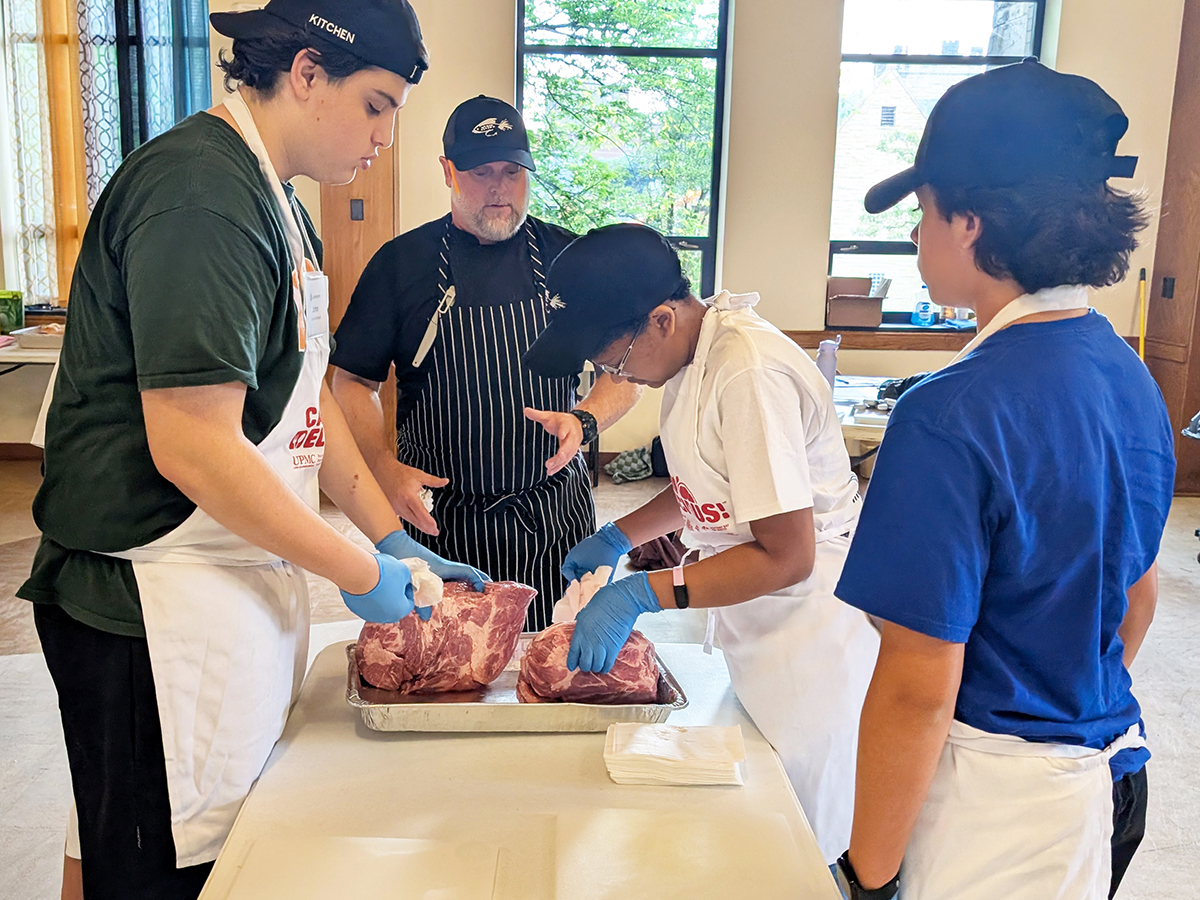
“The next generation is really talented. There are a lot of good ones coming out from this area. All you have to do is get them started,” says Derek Fritzel, who directs Camp Delicious, an immersive culinary program for young people.
This fall, both will leave Pittsburgh to continue their culinary journeys after years spent learning from some of the region’s most accomplished chefs — carrying with them the skills, mentorship and ambitions they developed here.
John Paradise
John Paradise, of Upper St. Clair, grew up surrounded by food in a family that loved to prepare extravagant meals to bring people together. He knew early on that he wanted to share that love, and after attending Camp Delicious — the weeklong course for rising eighth through 12th graders run by the youth education nonprofit Luminari — in 2021, he decided he’d make a career of it.
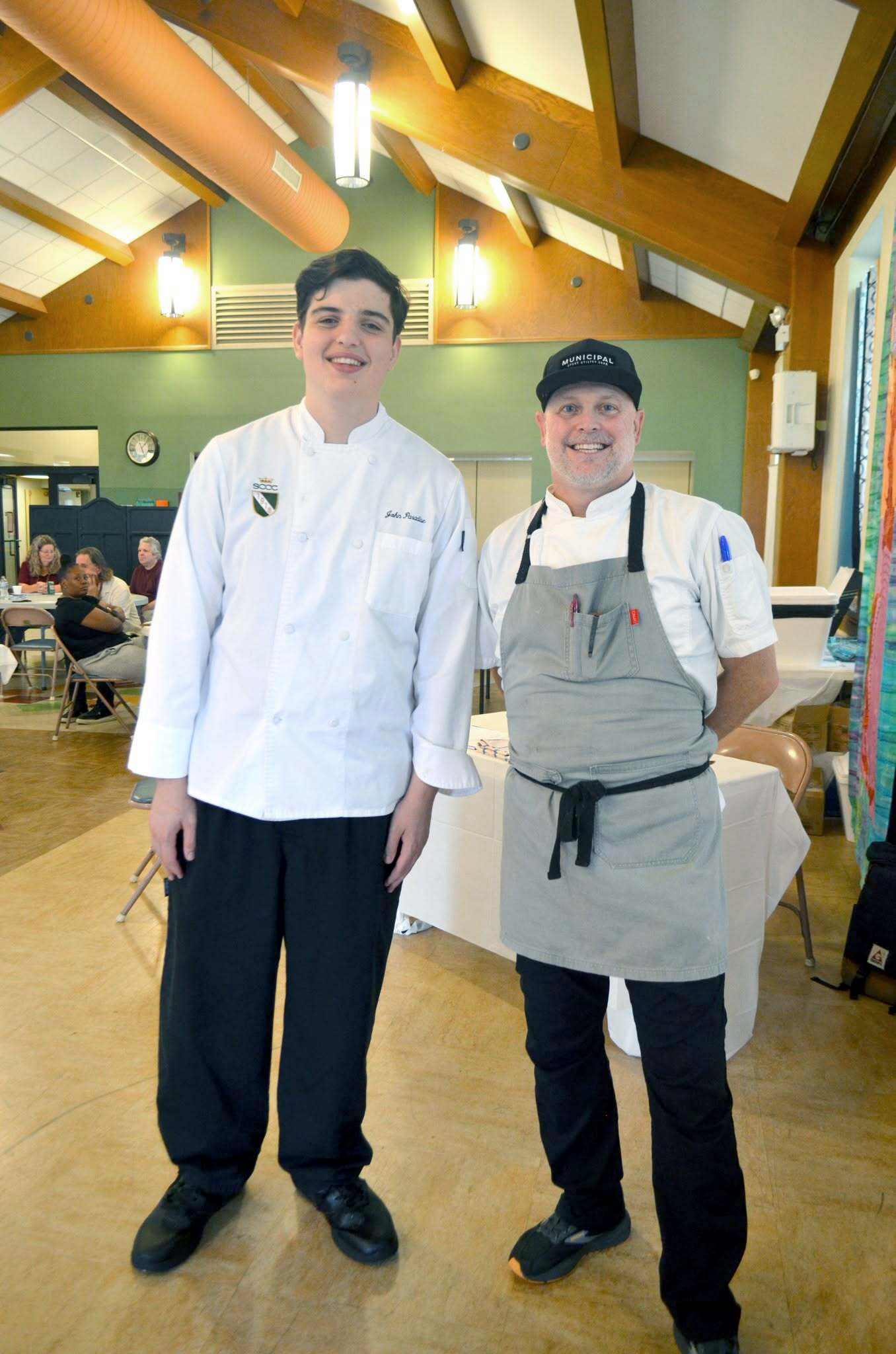
Paradise, 13 at the time, caught the attention of Fritzel, the experienced chef who served as the camp’s director and head culinary mentor.
“He could talk; he had the stature. But he also has an artistic expression. The whole week I worked with that, to see where he could go with it,” says Fritzel. “He came back the next year, and the rest is history.”
After his freshman year of high school, and with Fritzel’s encouragement, Paradise enrolled in a vocational program at Parkway West Career & Technology Center in North Fayette, where he worked with another impressive chef-mentor, Shawn Culp. In 2024, Paradise landed his first professional gig as a line cook in the pool kitchen at St. Clair Country Club.
“I thought I’d come in and blow it out of the water, and then I realized I almost knew nothing,” he said. “It’s so much different working the line than being in school.”
Paradise soon picked up the on-the-job time management fundamentals that would help him advance with a promotion to the main kitchen, where he traded the relentless pace of the pool kitchen for a restaurant that emphasized timing, consistency and presentation.
“The first [job] was getting food out hot and fast, and this kitchen was about pace and space and how to deliver a quality experience,” he says.
He continued part time at St. Clair while working expo at Central Diner & Grille in Robinson, where he absorbed how back-of-house connects to front-of-house — and the complexity of running a family-owned restaurant with thin profit margins.
Back at St. Clair full time, he moved up the ranks and learned day-to-day management skills such as ordering and inventory.
During his senior year, Paradise took high school classes in the morning and worked at the country club full time as part of the internship through Parkway West.
“They allow you to learn and get hands-on experience, but you get to make money in the field by learning hard skills instead of being in classes.”
Paradise is fresh off a three-month internship at Eleven Contemporary Kitchen in the Strip District, which he finished in April. He says Bill Fuller, big Burrito Restaurant Group’s president and corporate chef, makes regular appearances at the vo-tech to talk about jobs. Paradise approached him about something bigger, and Fuller sent the young chef to the group’s top restaurant.
“It was unlike anything I’ve seen before. The environment was very different. This was a big boy job. You’re a professional,” Paradise says. “The way that they do things, all the ingredients they use that I’d never heard of before.”
He digested the fundamentals of Western European technique, from clarifying sauces to making a perfect risotto, and worked the grill station.
“I’ll remember this for the rest of my life.”
Lately, it’s been a season of full-circle moments for Paradise. He returned to Camp Delicious for a fifth time in June, only now he served as a judge for the final-day culinary competition.
“I love the organization, and having them welcome me back was incredible. I remember the judges walking around and being nervous, and this was surreal,” he says.
He’s also managing the poolside kitchen at St. Clair Country Club, a position he says completes his quest to hit every piece of the professional kitchen. He struggled at first, he says, but has worked hard to get the hang of managing people as he manages orders.
“We’re a young, hungry team, and we want to make names for ourselves,” he says.
Teamwork, by the way, is one of Paradise’s keys to success. He grew up playing football and basketball, and he feels like the bonding on and off the field that propels strong teams to victory is analogous to a top kitchen where cohesion and shared focus produce the best meals.
“When you put on that uniform, you’re all on the same page. And the culinary industry embodies that too. People come from different backgrounds and cultures, but we share a goal every day to deliver an outstanding product,” he says.
After checking off nearly every role he hoped to experience in a professional kitchen, the 18-year-old will soon be off to follow in the footsteps of some of the city’s most accomplished chefs. He’ll join the freshman class at the Culinary Institute of America in Hyde Park, N.Y., this fall, inspired by CIA alums such as Derek Stevens, Eleven’s former executive chef, and Selena Proger, its current pastry chef, and by Pittsburgh’s two immediate past presidents, Ferdinand Metz and Timothy Ryan. A visit to see his sister, who attends a nearby university, sealed the deal.
“I went down there and fell in love with the campus. People talk about it, but there’s a whole aura when you step on the campus,“ he says. ”All of this talent in one area is just amazing.”
He doesn’t plan to stay away for good, though. Paradise says he has big plans to return to Pittsburgh to contribute to a new phase of dining after he graduates.
“I’m happy to be an example of someone who started young and was able to move up quickly by working hard,” he says. “You can do this as well no matter your age, where you come from or who you are.”
Itai Tuti
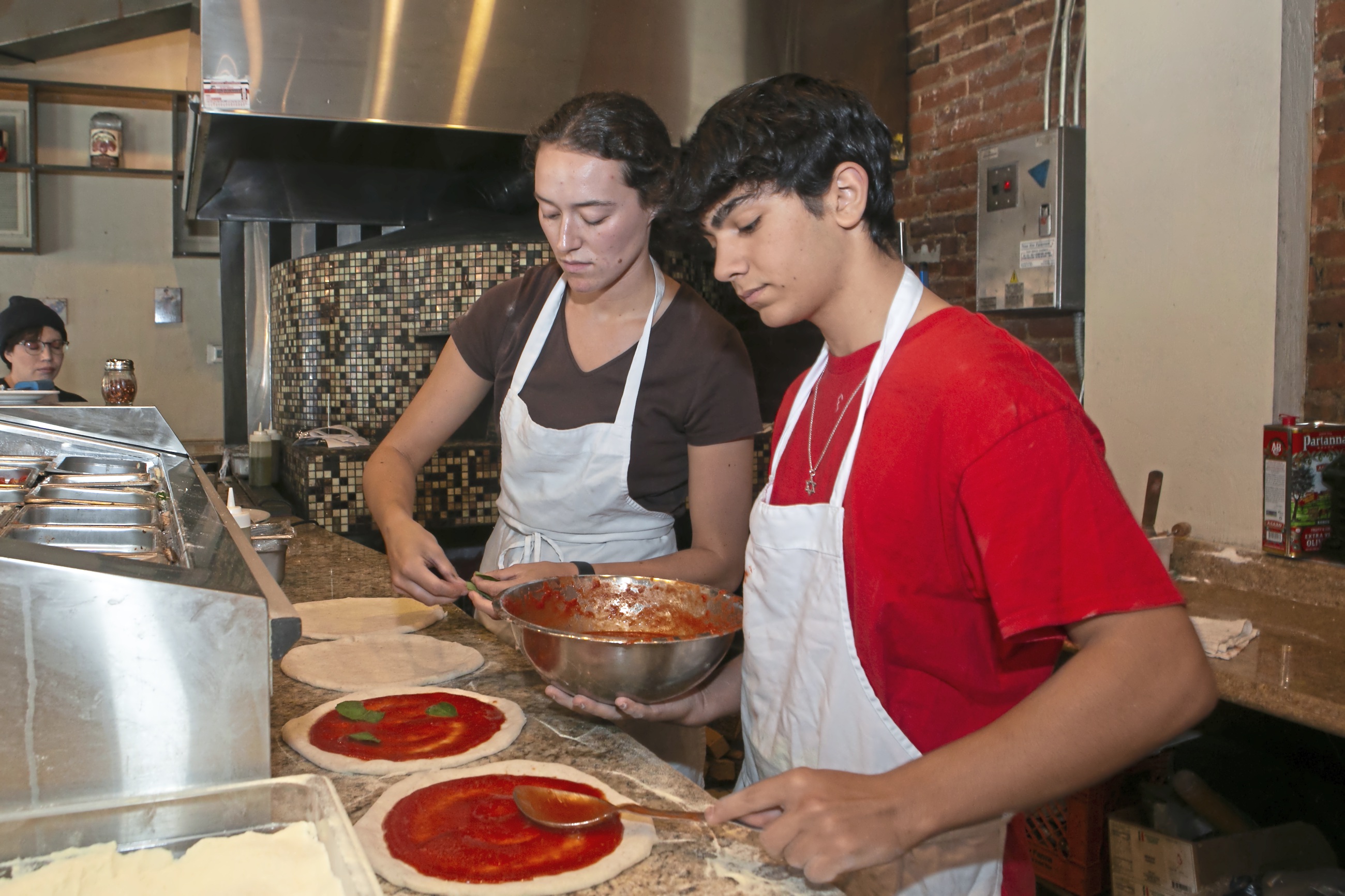
It takes great pizzaioli decades to master the art of making dough. Itai Tuti has a head start on most of them.
The 17-year-old from Squirrel Hill grew up loving to cook, and at 14 he followed his older brother to a job at Mercurio’s Shadyside location.
“At first he was just like a regular kid — a little goofy, didn’t know what he was doing. You’d have to give him directions for everything,” says pizza maker Massimo Vozza.
By the time Vozza returned to Mercurio’s a year later, from his short-lived Etna Slice House, Tuti had transformed into an eager student.
“He loved being in the kitchen doing prep. He was interested in learning everything we could teach him,” Vozza says.
Vozza and Mercurio’s co-owner Michael Mercurio took the curious teenager under their wing.
“I started asking them questions and training with them. I fell in love with the craft of pizza,” Tuti says. “It’s interesting how different pizza can get, when you learn the science behind yeast, building gluten and hydration ratios.”
Three years after taking that first restaurant job, he finished second in the junior division of the Caputo Cup in Naples, Italy, with his signature dough, besting every pizza maker under 18 in the world but one. The winner edged him by just 10 points.
His approach reflects the obsessive attention to detail that carried him there.
Naturally, Tuti — whom Vozza describes as both fun and competitive — started making pizza in his free time, too, turning to Vozza and Mercurio with questions. The two more experienced makers would explain the “why” behind their answers, something Tuti says pushed him to keep experimenting.
“It’s exciting to see someone at that age care about the work and care about the process,” Vozza says.
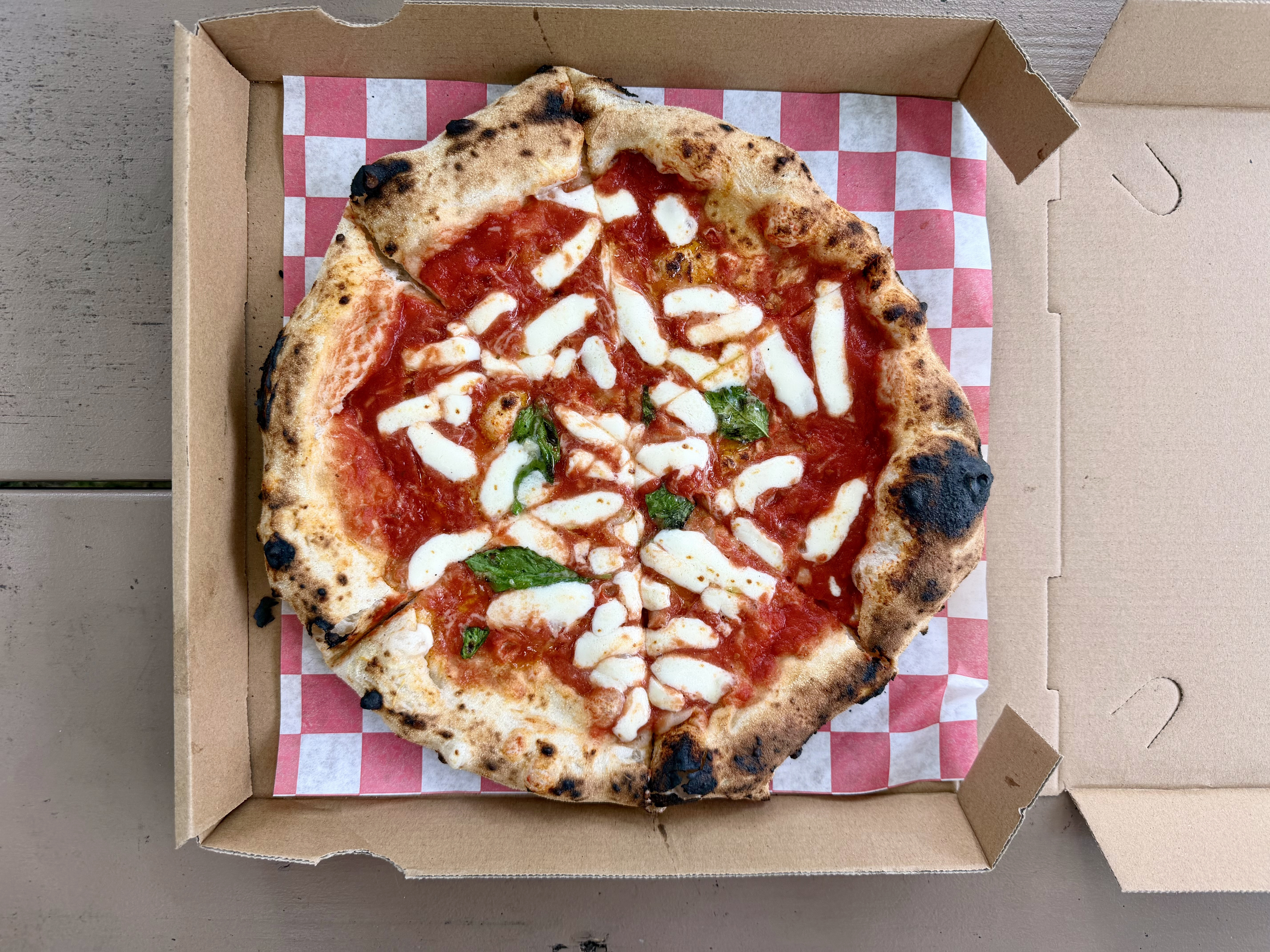
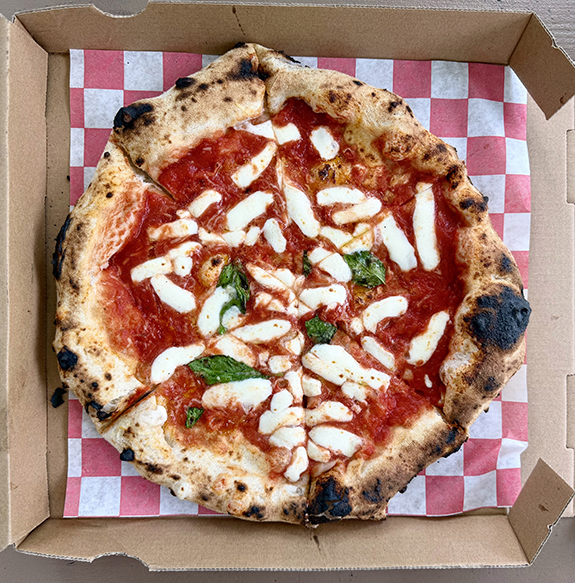
He took the work seriously enough to launch a series of at-home pop-ups for family and friends, developing a Neapolitan-style dough he ferments for 48 hours. He starts with a biga — a stiff preferment at 50% hydration — because he thinks it builds better flavor, letting it rest two hours before 18 more in the fridge.
The final mix folds in the rest of the water, a second flour and salt; after a 30-minute rest, the dough spends another 24 hours cold before Tuti brings it back to room temperature for service.
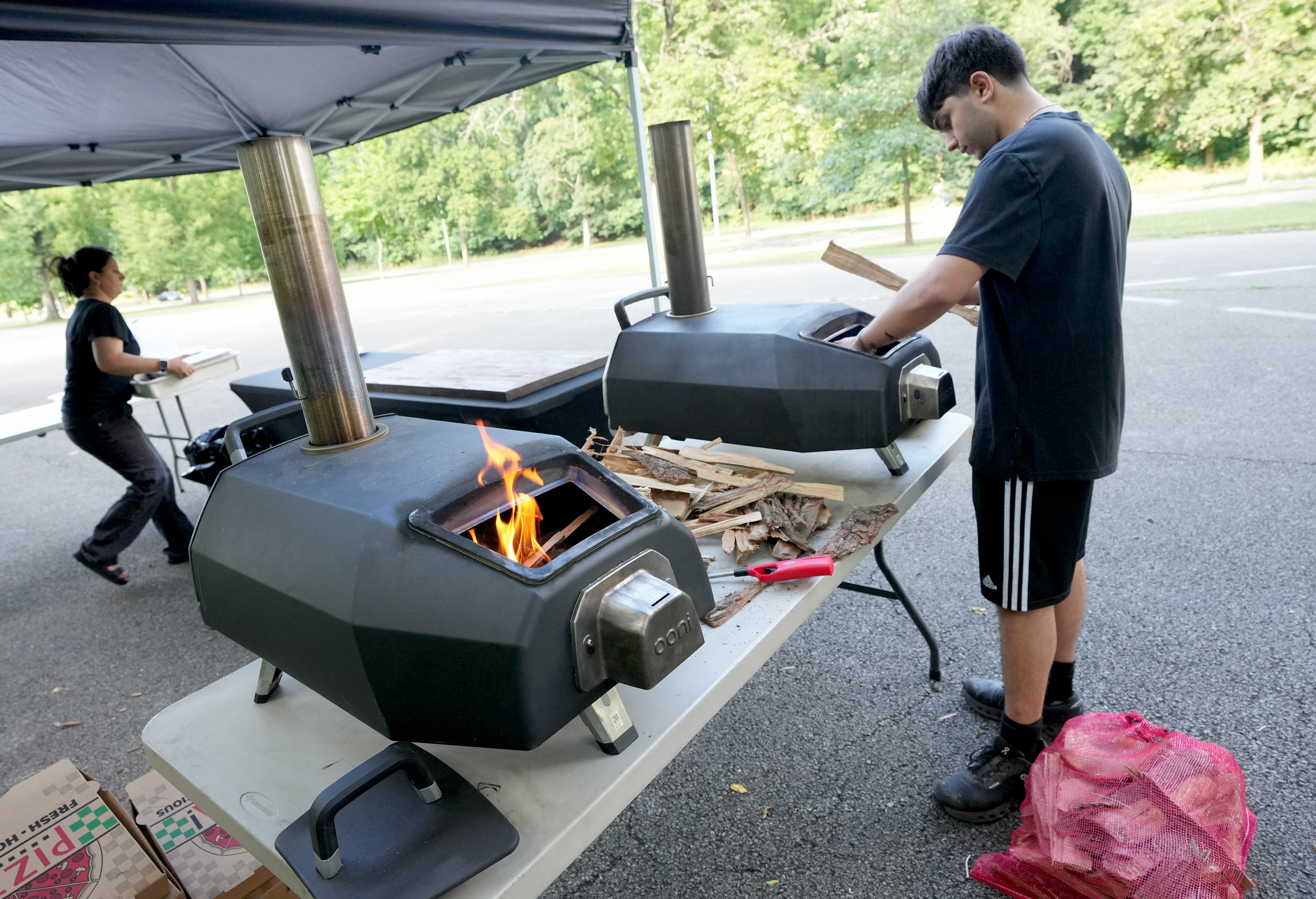
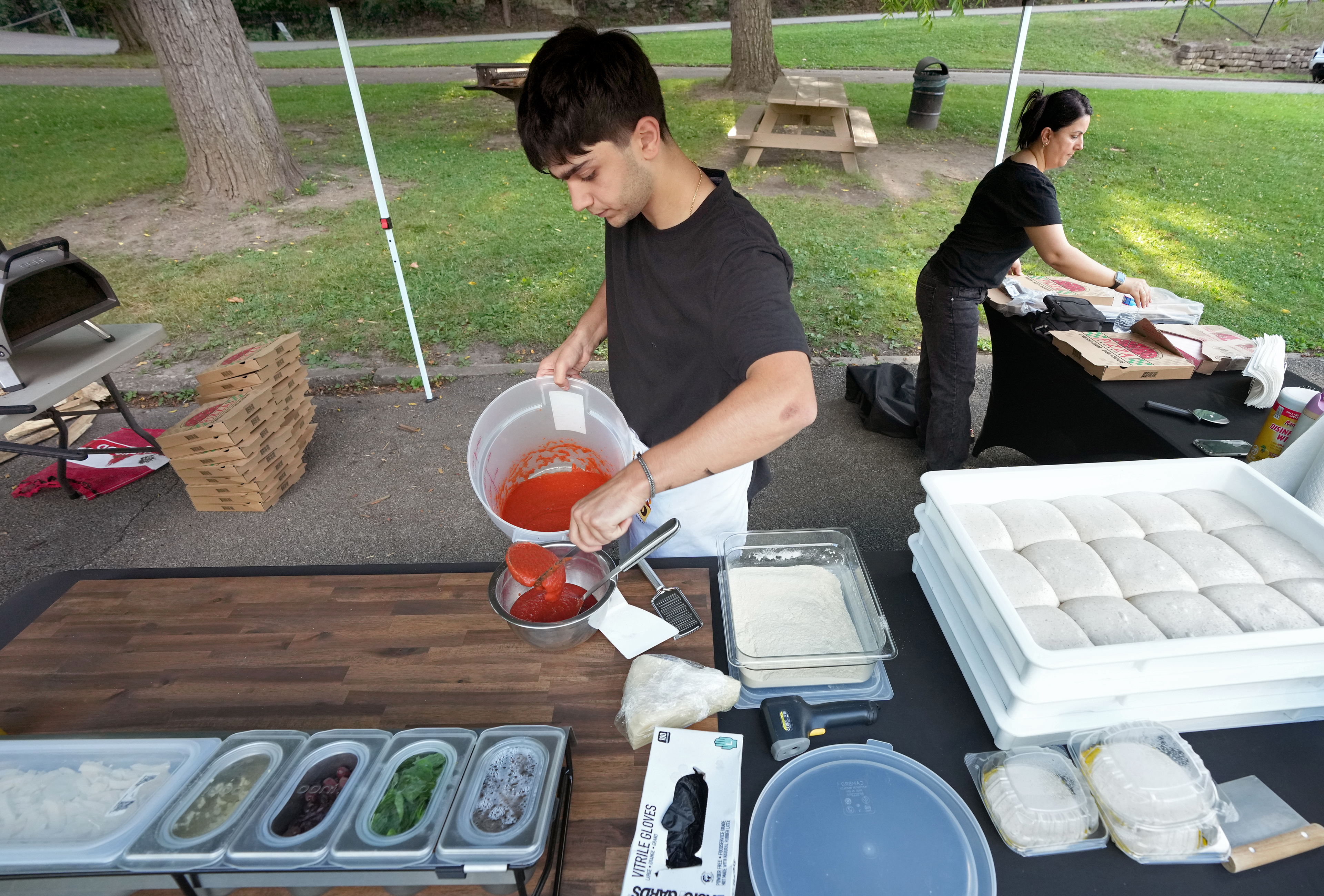
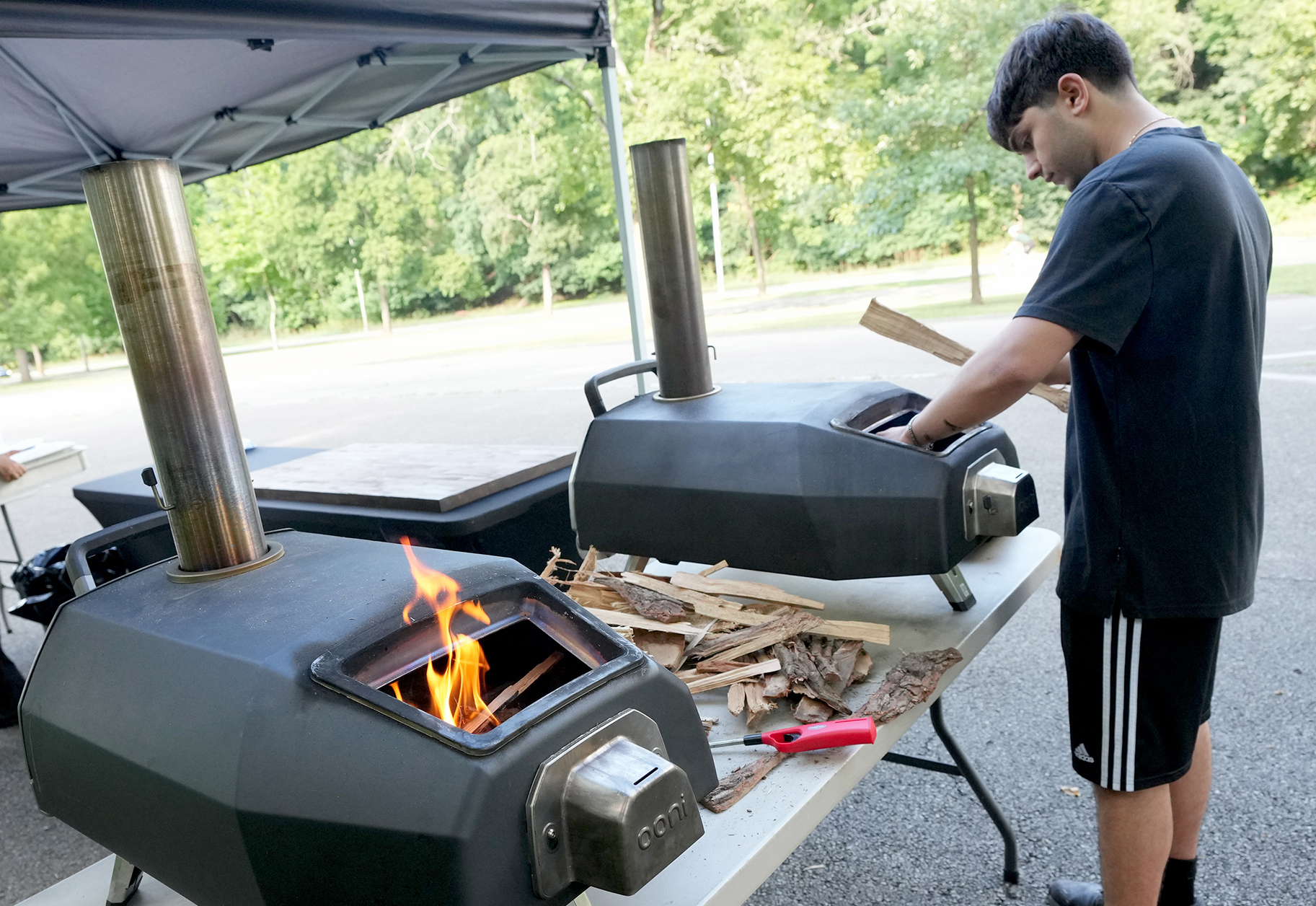
The teen is spending the summer running public pop-ups on Tuesday nights at the Bud Harris Cycling Track in Highland Park and working at Penn Avenue Pizza & Steaks in Lawrenceville, where he’s expanding his skill set with contemporary American pies.
“This style is new to me. Stretching and topping is the same, but putting pizzas in this kind of oven is different,” he says.
His time in Pittsburgh ends in August, when he moves with his family to Southern California. His pizza dreams are going with him: Tuti hopes to land a gig at Truly Pizza in Dana Point, Calif.