
Penn St. leaders propose cuts
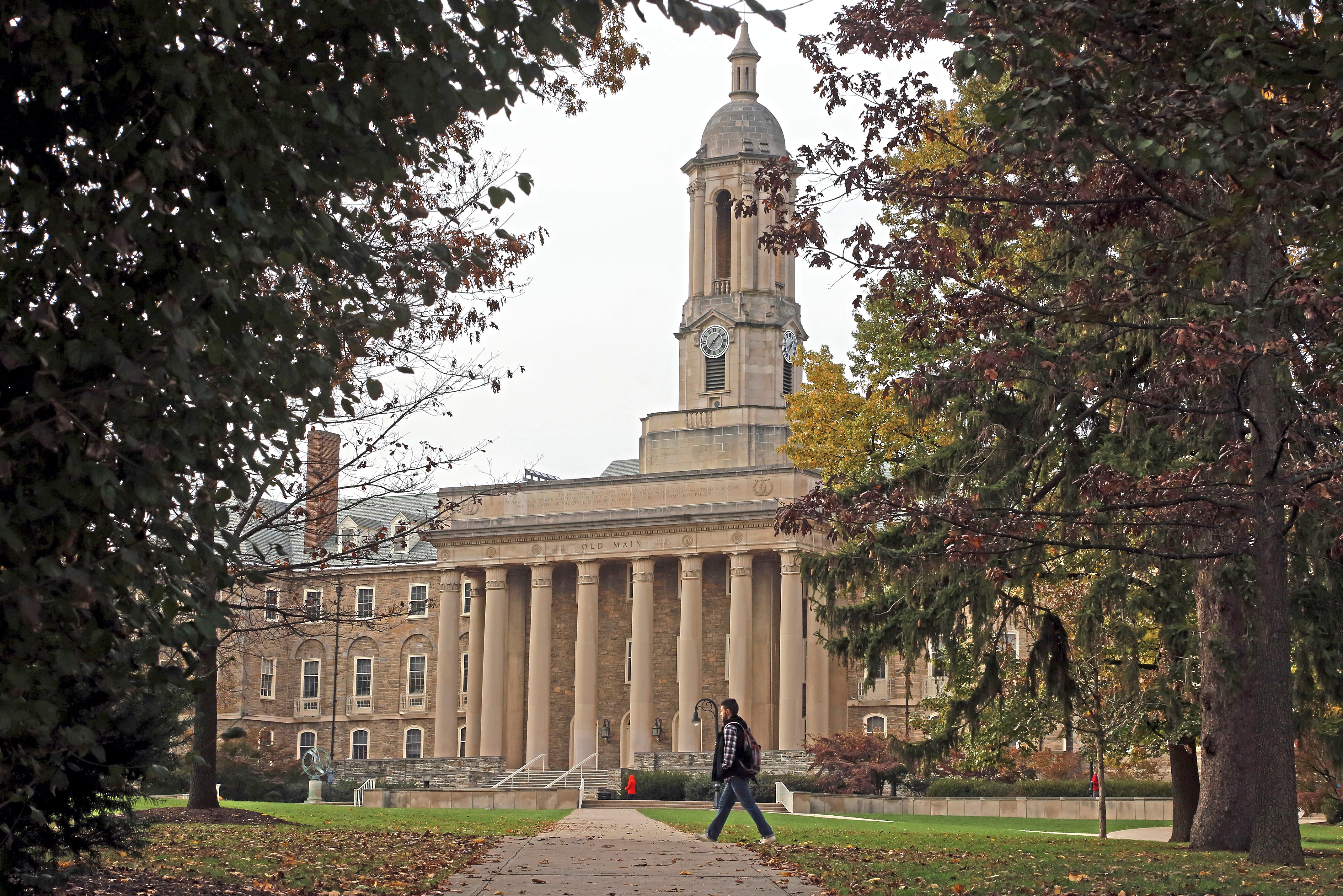
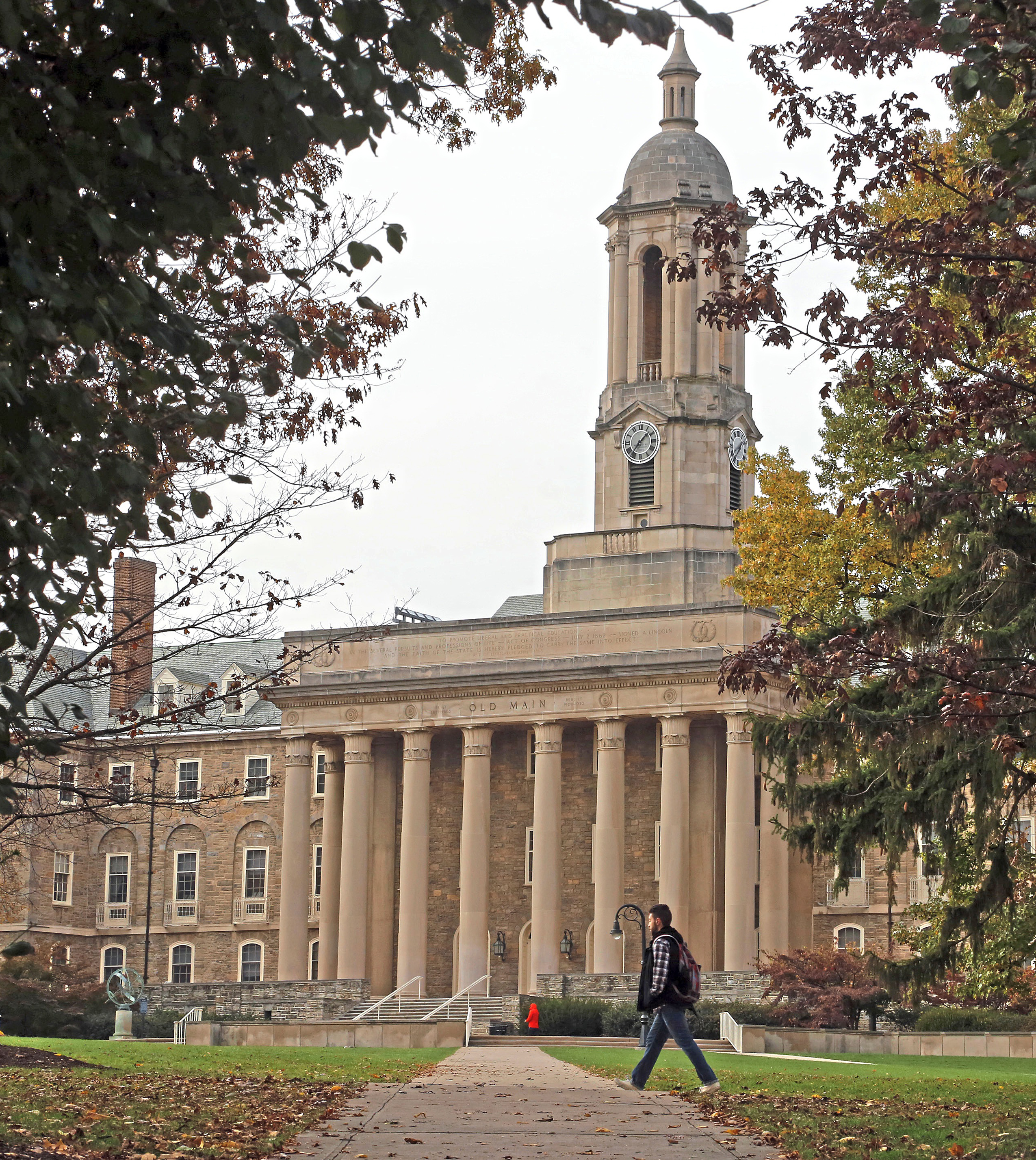
Penn State leaders have finalized a sweeping proposal to slash 47, or 12%, of the university’s undergraduate degree offerings.
Low student demand and limited employment opportunities were chief factors that brought on the recommendations shared on Monday.
The cuts now await review from the university’s Faculty Senate, before Provost Fotis Sotiropoulos finalizes the closures.
Program reviews are a “healthy practice” in higher education, Sotiropoulos said.
“They help us to continually ask — in a strategic and data-informed way — whether we are meeting and exceeding the needs of our students and their future employers, and how we can best retain and deploy our world-class faculty talent to meet our land-grant mission,” the provost said in a statement.
Just 784 students, or 1.1% of the undergraduate population, are enrolled in the impacted programs. All of these students will be able to complete their degrees.
Of the impacted programs, nine currently don’t enroll any students and 15 have already submitted teach-out proposals and/or enrollment holds, with some overlap.
Three-quarters of the soon to-be-slashed offerings are at the branch campuses, which have battled yearslong enrollment challenges and growing questions about their viability. (The university will shutter seven of these campuses this spring, including those at New Kensington, Fayette, Shenango and DuBois.)
Impacted programs at Western Pennsylvania branches include three programs at the Behrend campus in Erie: secondary education, English and physics.
The Beaver and Greater Allegheny campuses will also see 11 program cuts through their placement in the University College network of seven campuses (post-closures). These cuts will include: communication arts and sciences, integrative science, administration of justice (bachelor of arts and bachelor of science), arts administration, corporate communication, American studies, humanities, mining technology (associate degree), surveying engineering and electrical engineering technology (associate degree).
Likewise, 11 programs at the main University Park campus will be affected; they include professional photography, geobiology, geosciences, biobehavioral health, elementary and kindergarten education, middle level education, world languages, information sciences and technology, security and risk analysis, multi-disciplinary studies (bachelor’s degree and associate degree), and planetary science and astronomy.
Just over half of the 47 impacted programs would continue to be offered at another Penn State campus.
The university had initially considered slashing 49 programs, it announced in the spring. Penn State employed the consulting firm McKinsey & Company Education Practice to assess its academics and organizational functions.
It isn’t clear whether cuts will spur faculty layoffs. It also isn’t clear how much money the university will save by ending these programs. Penn State is currently operating under a $10.2 billion annual budget.
The decision would follow a growing trend in higher education as more universities reevaluate their offerings amid cost and enrollment concerns. Penn State’s October move comes on the heels of its controversial decision to close the seven commonwealth campuses.
Two years ago, West Virginia University slashed 28 majors, including all of its world language majors, and more than 140 faculty positions as it faced a mounting deficit. WVU leaders now report stable finances.
Pennsylvania Western University, a state-owned school with three campuses in Western Pennsylvania, announced plans to eliminate 43 academic majors and minors in June.
And Syracuse University announced earlier this year it would eliminate 93 low-enrollment programs.